
Buying a used car in the US: how much mileage is acceptable?
When purchasing a used car everyone wants it to go tens of thousands of miles without repair. Common sense tells you - the fewer miles on the odometer, the longer the car will faithfully serve you. But rising prices on used cars really make us wonder - is it not better to buy a car with more mileage? For it is truly a budget saver!
The question can be put another way - is the concept of "the smaller the mileage, the better the car" a strict rule that must be followed unconditionally?
It’s not that easy to answer this question.
In order for car owners to get a comprehensive picture of what mileage can be considered ideal - and why this is a difficult indicator to measure - the American car search engine Iseecars conducted a special study. We hope its findings will come in handy for you.
Between two extremes
All cars can drive, but the line between cars that are heavily used and those that are taken out occasionally is obvious. Some owners carefully keep every receipt related to their car, whether it's an oil change or a major repair. Others only find out about the need to service their car when the dashboard indicators start flashing, warning about failures.
Most car enthusiasts fall somewhere between these two extremes. “But when you have two identical cars in front of you with different mileage, you should choose the vehicle with the best condition, not the one with the lower mileage,” advises Iseecars.
Refer to history
Of course, there is a limit to this logic too - a car with 30,000 miles* is certainly superior to a car with 300,000 miles. But if the difference in mileage is only ten or twenty thousand, which would you prefer - a car that was ridden hard with less mileage or a well-maintained one with more miles? Of course, the one that was better taken care of, the only question is how to make sure it was.
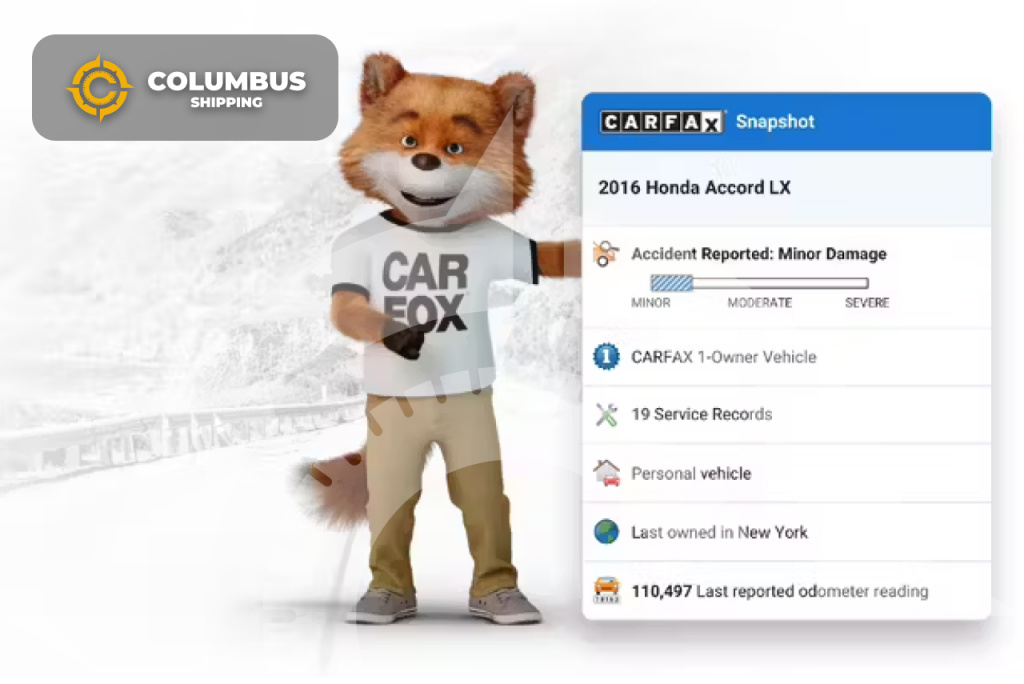
The best sources of information about car maintenance in the US are receipts for services rendered or records in the repair logs. If they are not available - and this is not uncommon – you should refer to the vehicle history (VH) reports from information services such as CARFAX or AutoCheck. They store the entire legal history of car maintenance in their databases. The reports of online services also record all accidents involving the vehicle.
"Of course, cars restored after serious accidents should be avoided. A car's impeccable history may be more important than any other factor, including very low mileage," notes Iseecars.
Keep in mind that Columbus helps its customers to check cars in the CARFAX and AutoCheck online services as efficiently as possible. In addition, due diligence may be conducted through the National Insurance Crime Bureau (NICB), VehicleHistory.com, iSeeCars.com/VIN, DMVDesk, and others.
Check under the hood
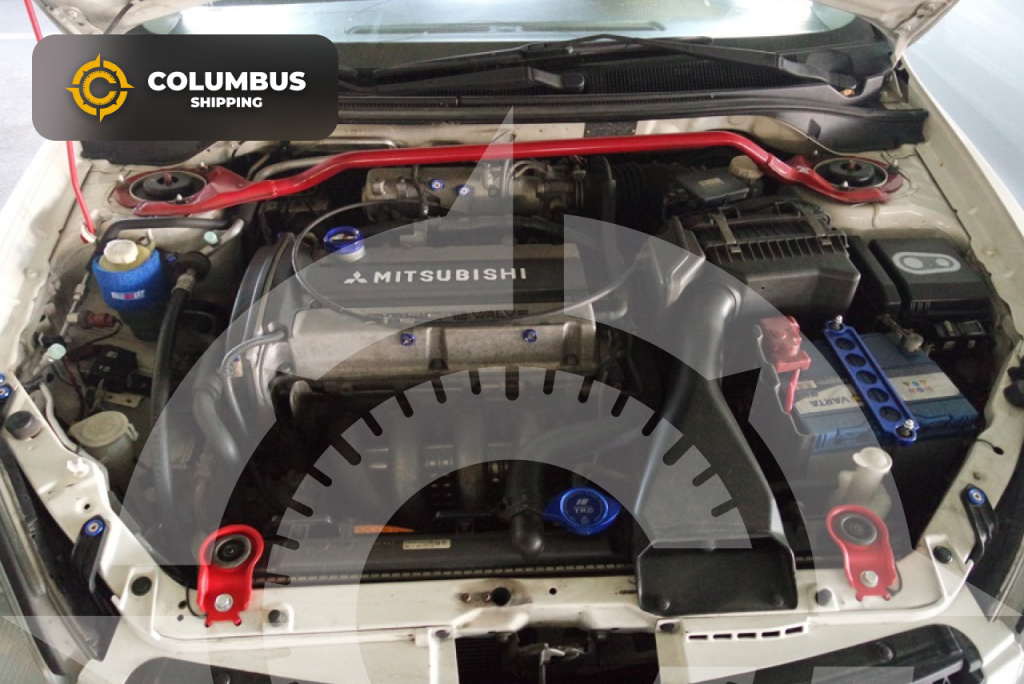
You should not disregard the usual inspection of the engine which allows you to assess the condition of the car. Dark and cloudy oil on the dipstick means the car has not been looked after well. Cracked timing belt and hoses, as well as cloudy coolant indicate excessive wear of the vehicle and potential headaches for its new owner in the near future (if you need a more detailed guide to inspecting a used car, read our article on Main Risks of Buying a Used Car from the US) .
Keep in mind that Columbus customers have access to the services of a mechanic who will inspect the car at the point of sale. Considering that the information about the car coming from the auction, and even more so from a private seller cannot be 100% trusted, we recommend using this option.
Run diagnostics
It also happens that a car has practically never been used, and for most of its life collected dust in the garage. Eventually the car went on the market, and the owner is expectedly trying to get the maximum price for it.
At first glance, it seems that an almost new car that has long been discontinued deserves attention. For those who trust a certain brand - for example fans of the Lincoln Town Car - it would seem like a godsend.
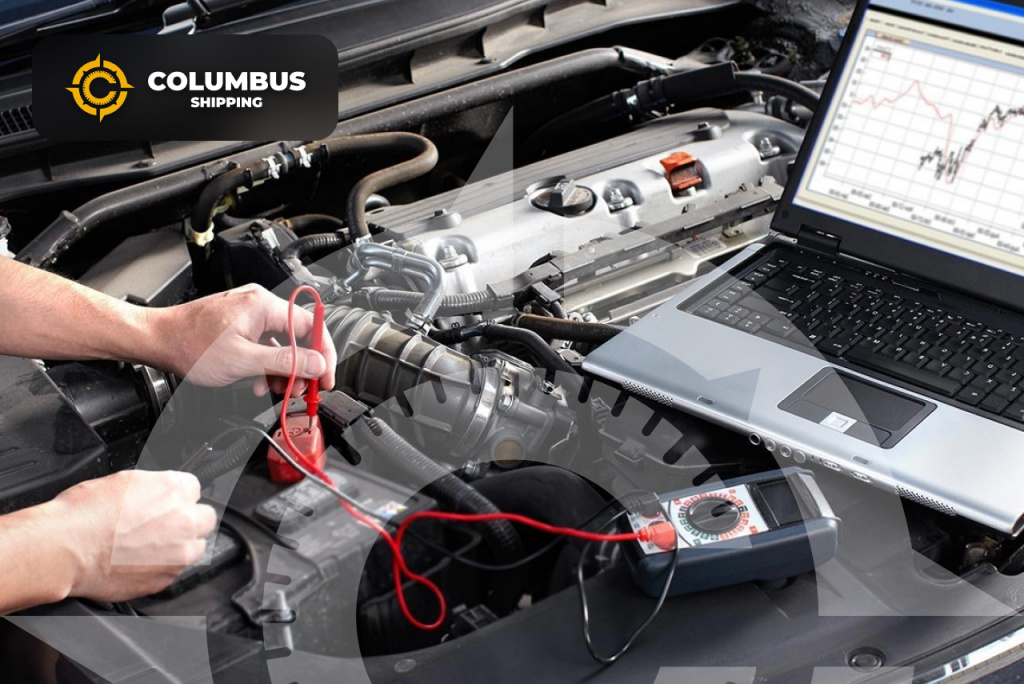
But there is one catch. When a car has not been used for a long time, some of its parts fail. Downtime is especially hard on all kinds of rubber bands, seals and gaskets. Over time, they lose their flexibility and become brittle. It is not uncommon for a car with an unusually low mileage to start spewing buckets of technical fluids after attempts to "wake it up”.
“The irony is that if the car had been regularly used, this embarrassment would not have happened - the process of thermal expansion and contraction with the engine running and regular lubrication of parts would certainly extend the lifespan of the parts,” Iseecars notes.
By the way, this problem is not only relevant for "fossil" cars. Imagine a ten year old car with only 30,000 (or less) miles on it.
“If you have a soft spot for a certain make and model, it might be worth getting it. But be careful and run meticulous diagnostics on a car like this!” warns the American auto search engine.
Think about expenses
You also need to be careful with a newer car that has a well above the national average mileage (12,000-15,000 miles/year). Excess miles on the odometer means the vehicle may need additional service.
There is no doubt that you will be able to pick up a high mileage car at a lower price. But at the same time, you will most likely soon be busy with replacing the timing belts, brake pads, cooling system maintenance, and other less predictable repair work.
"These expenses can be postponed if you buy a car with moderate mileage," Iseecars rightly notes.
What is the cut off age?
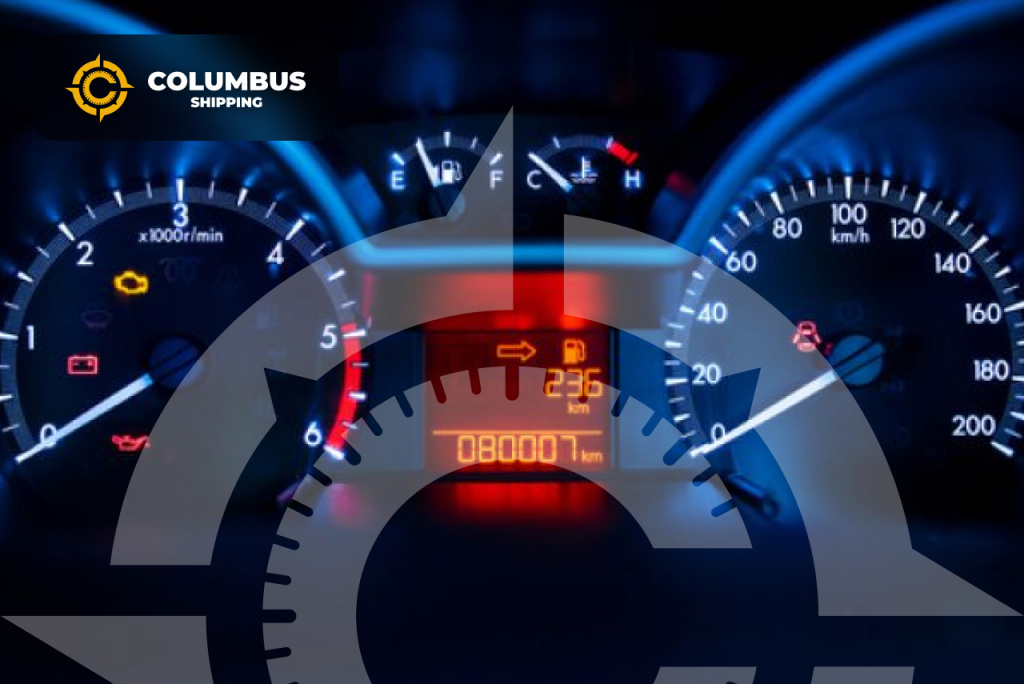
As we mentioned the average annual mileage of a typical car is 12,000-15,000 miles per year. A five year old car will probably have 60,000–75,000 miles on it; ten-year old one - 120,000-150,000 miles.
The trouble is that at a certain point in the operation of the car, unexpected breakdowns will start to occur increasingly more often. There is no specific age or mileage at which this happens. But most often this occurs when a car is 8-10 years old and has passed the milestone of 100,000-120,000 miles. And there is nothing you can do here - engineers have not yet learned how to make cars that last forever.
"If there's a car to avoid, it's a 10-year-old car with six figures on the odometer," says Iseecars.
Mileage and car age are inextricably linked but there is no single right answer to the question of what age is considered the best for a used car.
"Get the car with the best age in the price range you can afford. Naturally, if there is a car that is a year or two older than you would like, but has been well maintained and has never been in an accident, it is better to buy it than a newer one that has been in an accident," advises Iseecars.
Highway miles or city miles?

Another criterion to consider when choosing a car is the type of car mileage it has. For example, a new car sold in New York or the suburbs has a much harsher life ahead of it than a new car sold in, say, rural Arizona. Why? The New York car will be bumping over potholes on the road, accelerating and braking from traffic light to traffic light in an attempt to beat the traffic jam. But a car from Arizona will most likely be rolling gently on smooth asphalt laid through the desert.
A car in the countryside will certainly travel more miles than the one being used in a densely populated city. But a road without numerous turns and traffic lights is the least stressful scenario for a vehicle.
“Urban cars (unless they are taxi operated or rented out) are likely to travel well below the US annual average of 12,000 miles per year. But they will wear out faster due to metropolitan traffic patterns.” summarizes Iseecars.
Buy smart
Get the best car you can find and have fun driving it!
If you are afraid of making a mistake when choosing a car at an auction in America and are not sure that you can identify possible vehicle malfunctions, calculate the cost of its delivery and repair, contact Columbus.
The company's professionals with over ten years of experience in the American used car market will advise you on all challenges related to the purchase of a car in the US and Canada, check its technical condition, operation history, help collect / restore all the necessary documents for successful customs clearance of the car, and provide a dealer account to purchase the car at a discounted price.
Columbus - when you need a smart purchase and lucrative deal on a car that will bring you joy for many years to come!
--------
*American mile = approximately 1.6 km.


Help in the service