
Dark side of electric cars: pros and cons of buying vehicle of the future
In just a short while, there will be no more diesel or petrol motors, only electric cars will be roaming the earth. These vehicles have advantages and flaws of their own, according to Caranddriver.com, and let’s get familiarized with some of the key ones.
First off, let us remind ourselves what kinds of electric cars are out there:
-
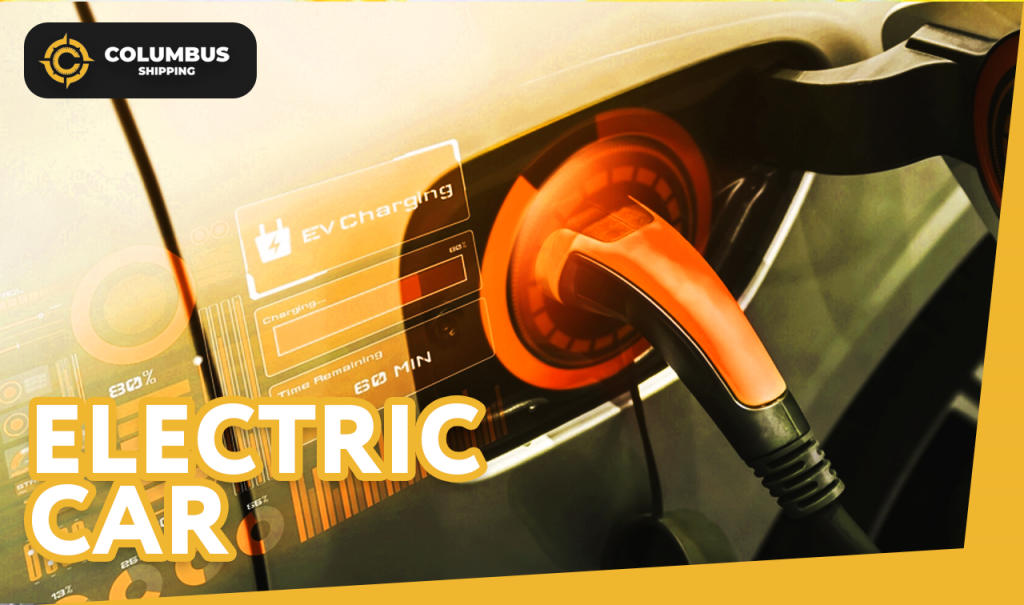
Battery Electric Vehicle (BEV) has anything from one to four electric engines, which are usually powered by one high-capacity battery. The battery itself, in turn, is charged from an external source, for instance, domestic power grid. The bigger the storage capacity of the battery, the longer the distance a car can travel in between charges.
-
Hybrids (HEV, MHEV) burn fossil fuel to power an internal combustion engine (ICE), which not only propels a vehicle in motion, but also generates electricity. Accumulated by a car, this electric energy is used to power the electric engine, which functions along with the IC engine.
-
Plug-in hybrid electric vehicle (PHEV) operates inside the same power scheme as HEV/MHEV, but can charge the batteries from the external source thanks to a charging port. PHEV can cover short distances solely on electric power. When the battery dies, PHEV activates the IC engine, which both charges the battery and powers the car.
-
Hydrogen fuel-cell vehicle (HFCV, FCEV) uses special hydrogen fuel elements that chemically react with oxygen and generate electricity, which powers the engine of the vehicle.
Drawbacks of electrification
Analysts and car makers bid on electric cars because, according to them, they are the future. However, we still live in the present. This is the time of great changes in automotive industry, yet the car enthusiasts still have vehicles with different types of engines on offer. Electric cars are eco-friendly, they are quiet and powerful, they have astonishing torque. But they are expensive and rely on the limited infrastructure of charging stations (situation can be handled, however).
Nevertheless, determining the electrification degree of your next vehicle is somewhat of a compromise, which needs to make your expectations and reality meet.
Hydrogen is not for everyone
Those looking for emission-free electric cars have two options at this point in time: battery electric vehicles (BEV) or hydrogen fuel-cell vehicles (HFCV, FCEV). The latter, as a result of chemical reaction of hydrogen and oxygen, emit H2O steam in the atmosphere (100% safe for the environment).
Alas, the limited hydrogen infrastructure makes re-fueling HFCV a challenging task. For example, in the United States, the buyers have only two HFCV options – a Toyota Mirai sedan and a Hyundai Nexo SUV. Both are sold exclusively in the state of California, the only state with somehow existent H2 re-fueling infrastructure.
So, BEV is a sole viable option for the majority of the drivers, who wish to purchase an eco-friendly car. Which happens to be the least affordable to boot.
Pros and cons of hybrids
Pros.
+ Hybrids are economical; no need to alter driving habits
Hybrids do not require you to change your driving habits. Cars like this do not depend on electricity thanks to their internal combustion engine, with fuel available at any gas station. PHEVs are more or less the same, yet they additionally offer a chance to taste the entirely electric cars’ world – mandatory battery charging and (sometimes) obligatory use of electric power.
+ PHEVs are good for daily commute
According to the U.S. Census Bureau, average daily commute time among the American drivers is around 28 minutes in each direction each day. PHEVs like Toyota RAV4 Prime or Kia Sorento Plug-In Hybrid are able to cover 45 to 60 km on the battery alone. In PHEVs like these, petrol is only used in long-distance journeys.
+ No need to worry about charging
You can’t buy a box of electrons (not yet, at least) for an electric car that has run out of steam. What you can buy, however, is a dozen of liters of gas to put HEV or PHEV back in the race. Gas stations can be found even in the most dilapidated places.
Drawbacks.
– Technical maintenance of the ICE
With an internal combustion engine onboard, hybrid and plug-in hybrid cars still require maintenance, just like any other ICE-equipped car for that matter. At the same time, electric motors ask for way less attention and technical services.
– Burning of fossil fuel
Petrol-electric hybrids burn fossil fuel, which means they still pollute the atmosphere with toxic emission. The drivers can refrain from starting the ICE, yet sooner or later it starts running no matter what.
Pros and cons of hydrogen fuel-cell vehicles
Pros.
+ The technology actually works!
Toyota Mirai, which is sold only in California, has a range of about 640 km, and can be recharged almost as quickly as an ICE-equipped car. It drives as smoothly as an electric car, and as for maintenance, it is more affordable than a PHEV.
Con.
–Where do I refill?
The infrastructure for electric charging exists, and is in the process of slow development; as for the hydrogen infrastructure, it’s still at the starting line. For this very reason, there are very few places where HFCVs can be operated, even in such a technologically advanced country as the United States.
Pros and cons of battery electric vehicles
Pros.
+ Performance and power
BEVs can be fast as lightning. Just have a look at Rivian R1T, an electric SUV of about three tons: this big boy hits 60 miles per hour in just three seconds!
Advantages of electric motors are not limited to straight-line acceleration. Thanks to fantastic torque, electric engines of even modest EVs don’t lag behind in most typical scenarios on the road – from rapid acceleration at the traffic lights to confident overtaking on the highways.
+ Environmentally friendly
They have no toxic emissions, which is one of the biggest advantages of electric engines. Surely, the degree to which EVs are more ecologically «clean» in comparison to their petroleum-fueled colleagues is largely dependent on several factors. For example, should the local powerplant generate electricity by burning fossil fuel, the eco-friendliness of your car is questionable. Should the solar and wind farms power the grid, that’s a different story.
+ Less demanding and less frequent maintenance
Since there are fewer moving parts in electric motors, compared to internal combustion engines, EVs are way less demanding in terms of regular servicing as their petrol or diesel peers.
Thanks to regenerative braking (by electric motor), the brakes on electric cars last longer than those on ICE-powered vehicles.
Cons.
– Battery price
According to the U.S. Department of Energy, the expected battery life of an electric vehicle is 10 to 12 years. However, batteries can last longer than expected. They can last less, too. Either way, a worn-out battery replacement will cost a small fortune. We’re talking thousands or even tens of thousands of dollars. These numbers will eventually go down, of course, but not as fast as we’d like them to.
– Difficulties with charging
The infrastructure needed to charge electric cars in the U.S. and Europe is still pretty weak. It is indeed a challenge to find an available charging spot, let alone a functional one, in public. It is cheaper to charge your car at home. Easier said than done, however.
– Towing issues
Troubles with the charging infrastructure in the United States get worse when towing is required. Trucks like Ford F-150 Lightning and Rivian R1T can pull trailers of 4 to 5 tons. According to the EPA Fuel Economy assessment, the range drops by 2/3 when towing a 2.8-ton camper van. You won’t get that far in electric car with a trailer. Long-range trips afficionados will be forced to drive an ICE-powered vehicle.
– Insurance issues
Well, it’s not like it’s dead-serious of a problem. But the insurance of an electric car in the U.S. is statistically 23% more expensive than of a regular car. Just because EVs are more expensive. This does not only concern BEVs, but HEVs, PHEVs and, most definitely, HFCVs and FCEVs.
Sources: Caranddriver.com, Metromile.com


Help in the service