
20 Used Cars You Shouldn't Buy

Buying a used car is a sound decision if you want to save money. But among second-hand vehicles there are those that can turn into a regular source of headaches for the new owner. And Cars.usnews.com offers a radical recipe to avoid it.
The American media company has compiled an anti-rating listing used cars you should avoid buying in the US. The list includes models aged 3-8 years that are rather relevant. However, these vehicles have the lowest overall scores in the website’s rating. Note that the latter reflects five main criteria of the car: user rating, performance, interior, total cost of ownership, and safety. Some of the cars included in the Cars.usnews.com black list also have issues with reliability which was assessed in a separate column.
1. Acura RLX (2015)
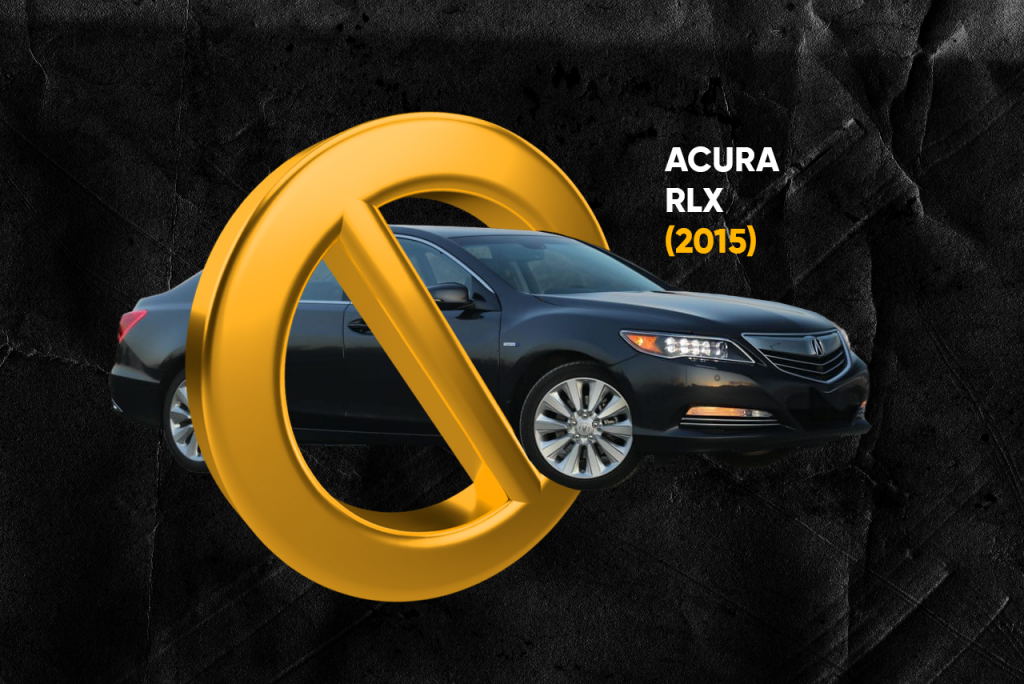
Overall score: 6.6/10 | Reliability rating: 2.5/5
The Acura RLX is not considered a luxury sedan. The interior looks frankly cheap, the technical specifications are not striking, and the dynamics of the car are weak. The reliability rating is also below average. The only good thing about this car is the good safety ratings. For those who like this sedan, the publication's experts recommend to take a closer look at its counterpart - the Lexus ES, which has a higher overall rating.
2. Lincoln MKZ (2015)
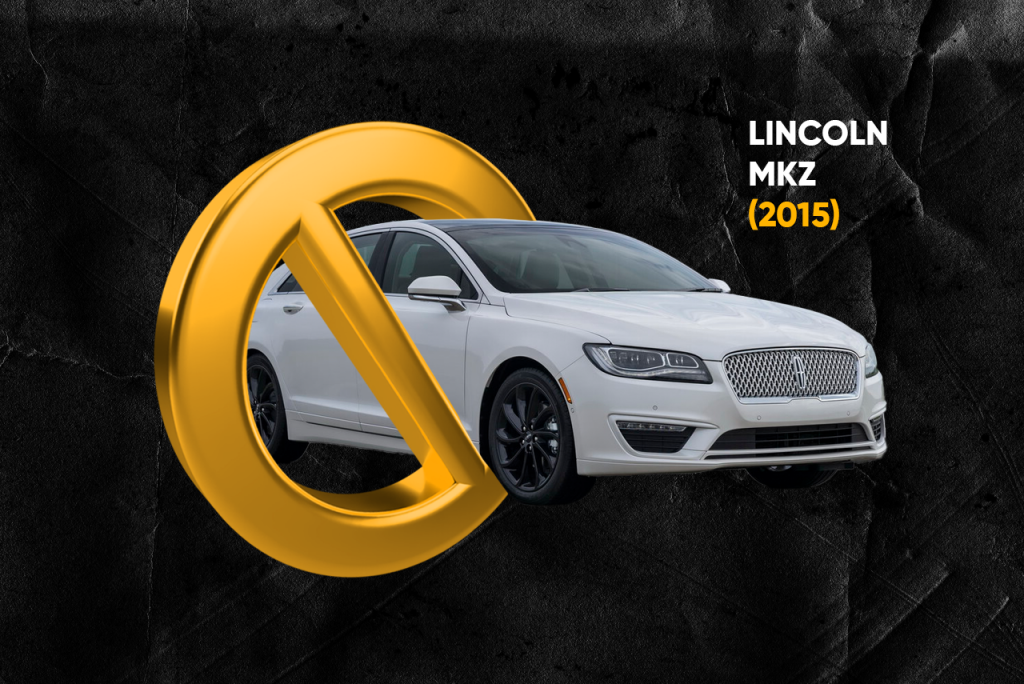
Overall score: 6.6/10 | Reliability rating: 3.5/5
The 2015 Lincoln MKZ RLX has similar problems to the Acura RLX. The interior layout and trim materials of the MKZ are unimpressive, the infotainment system is difficult to use, and the controls are rather wobbly, although overall the MKZ rides well and glides over the bumps in the road.
The cost of owning a car is above average for its class, which is surprising since the MKZ is built on the basis of Ford Fusion, which is not the most expensive car to maintain, and was in turn built on the same platform as the Mazda 6.
3. Infiniti QX80 (2019)
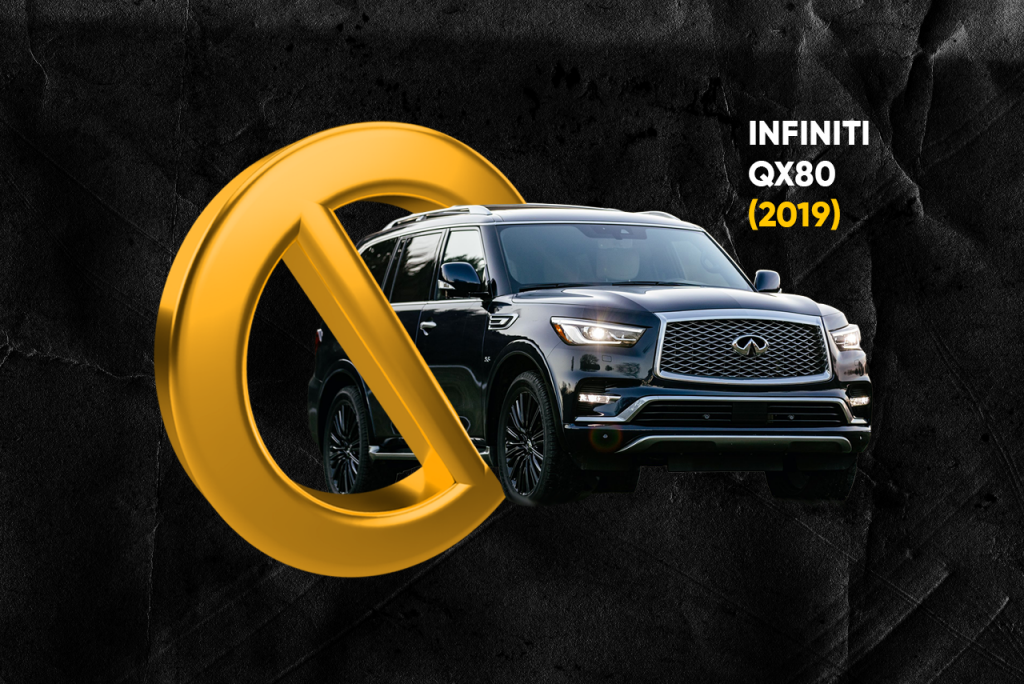
Overall score: 6.6/10 | Forecast Reliability Index: 2.5/5
The size of the Infiniti QX80 matters because it directly affects its fuel consumption. The V8 engine is so voracious that the car is expensive to own and maintain even for those who consider themselves well off. The cost of owning the QX80 in the US is about $8,000 per year.
But that is not the only con of the big girl – in addition to the technical specs, the interior of the car is shockingly outdated as well, and the rear seats are frankly cramped.
In general, the QX80 is significantly inferior to its competitors like the BMW X7, Mercedes-Benz GLS and Lincoln Navigator.
4. Hyundai Genesis Coupe (2015)
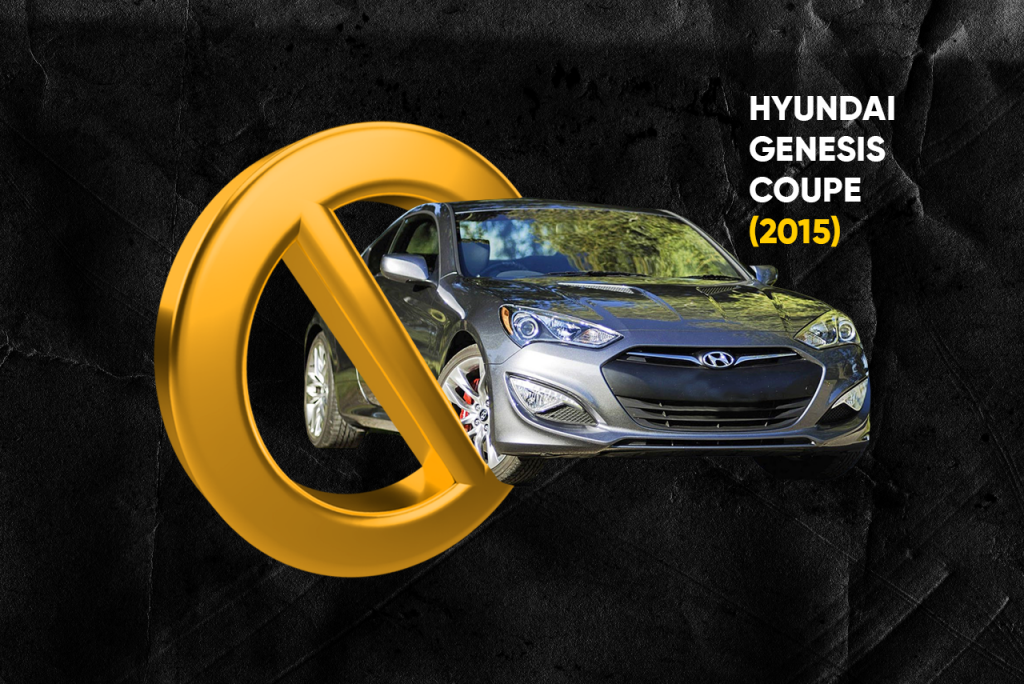
Overall score: 6.6/10 | Reliability rating: 2.5/5
Want to get a sports car without paying all the money in the world? As it often happens in this case, the buyer turns to the Hyundai Genesis Coupe. The car is not too expensive but has plenty of horsepower under the hood, and looks like a decent retro.
But disappointments begin as soon as you get into the driver's seat. The handling of the car is good but not as sharp as that of its class competitors like the Mazda Miata and Subaru BRZ. The suspension is stiff and the car feels rather shaky if you drive on anything less than a smooth highway.
The cost of owning a car is above average and reliability is below average.
5. Dodge Viper (2017)

Overall score: 6.5/10 | Reliability rating: 2.5/5
All in all, the Dodge Viper is an impressive sports car. Its V10 offers incredible speeds but the suspension is too stiff and miles to the gallon numbers are not at all encouraging. On a positive note, the Viper is a pleasure to drive on narrow and winding back roads. It also looks great – the owners of the Viper is guaranteed to see a lot of heads turn. But this is not a car for every day. The best role for it would be a second or third car for weekend trips.
6. Fiat 500 (2019)
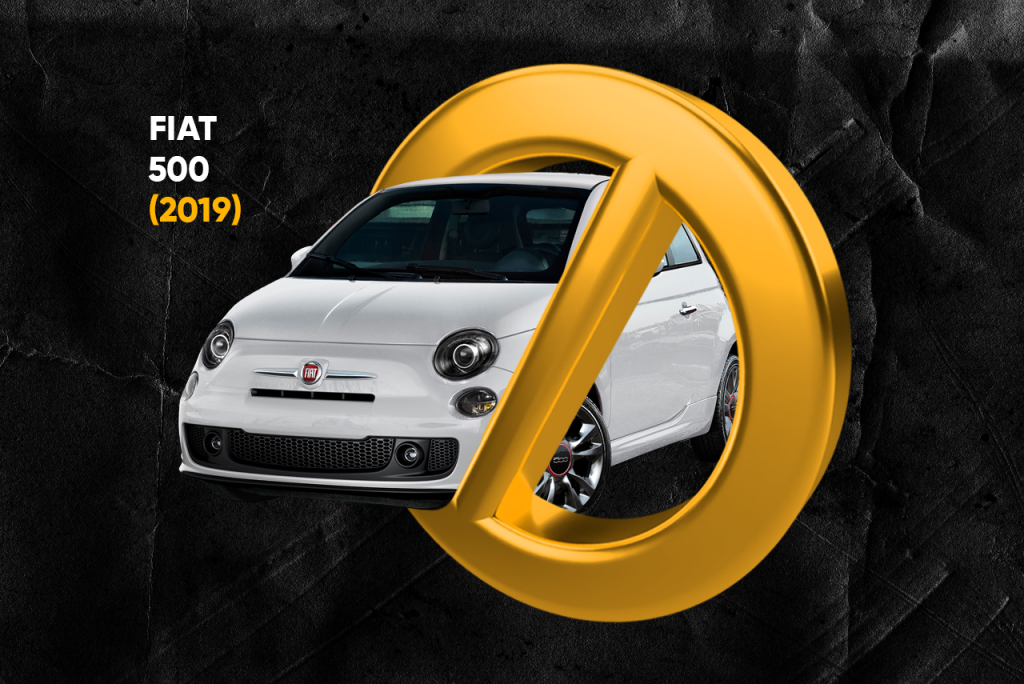
Overall score: 6.5/10 | Reliability rating: 2/5
Fiat 500 is a step into the past of the automotive industry. It's inexpensive, small, nimble and corners well, especially in the sporty Abarth modification. In addition, it has a recognizable retro style that makes the car stand out among other modern cars.
However, like many other cars from the past, the quality of the interior trim is not up to par - there is too much cheap hard plastic.
The rear seats are tiny and only suitable for transporting children. And the car itself is not too spacious which does nothing good in terms of safety.
Reliability also leaves a lot to be desired, especially with early models whose owners complained of constant transmission problems. As a result, Fiat completely retired the 500 model from production in 2019.
7. Nissan Titan (2015)
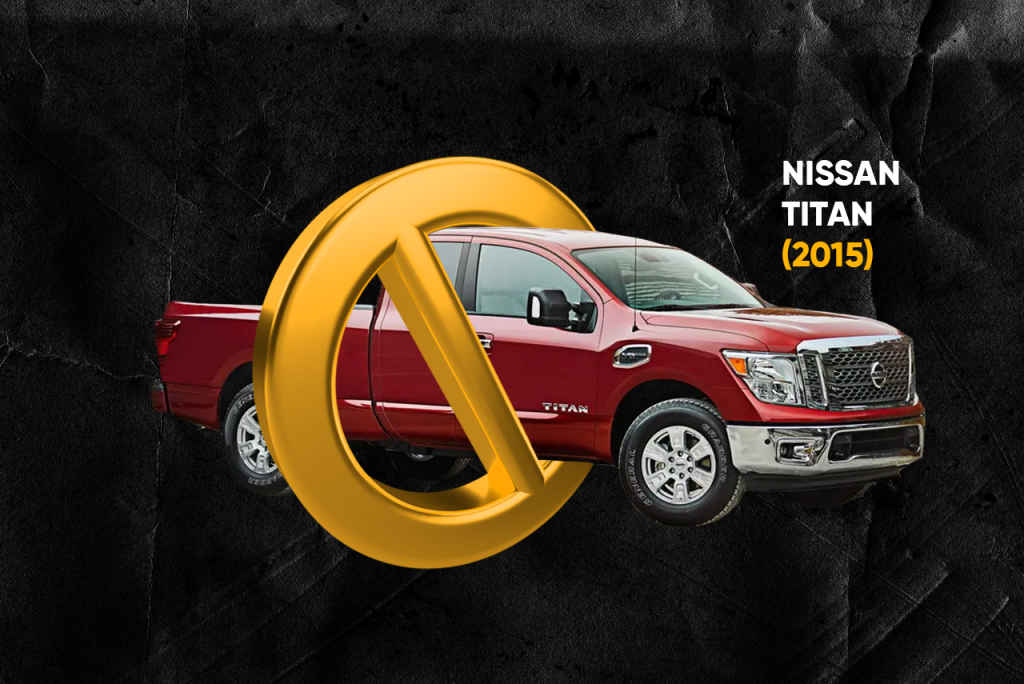
Overall score: 6.4/10 | Reliability rating: 3.5/5
The previous generation Nissan Titan seemed obsolete before, but now it just seems like a real fossil. The interior is covered with rattling plastic oak turning it into a cave with a constant echo. The performance specs are more than modest, and driving the car is not a particular pleasure. However, the V8 engine is punchy enough to get the job done - albeit with a bit unhealthy appetite for fuel - and the steering is surprisingly responsive for such a large truck. The Titan's cabin is spacious, and the car's reliability is above average.
8. Mini Coupe (2015)

Overall score: 6.4/10 | Reliability rating: 2.5/5
The miniature two-seater Mini Coupe offers playful style, piercing engine sound and polished handling.
The catch is that the creators went to too many compromises for the sake of its sportiness. The interior is cramped and the low roof with narrow windows impairs visibility. The infotainment system is controlled by a bulky and hard to use joystick. Driving this Mini is not pleasant - the car often sputters on the road, especially in the John Cooper Works version. All these shortcomings combined led Mini to abandon the production of the Coupe in 2016, just four years after its release.
9. Nissan Versa (2018)
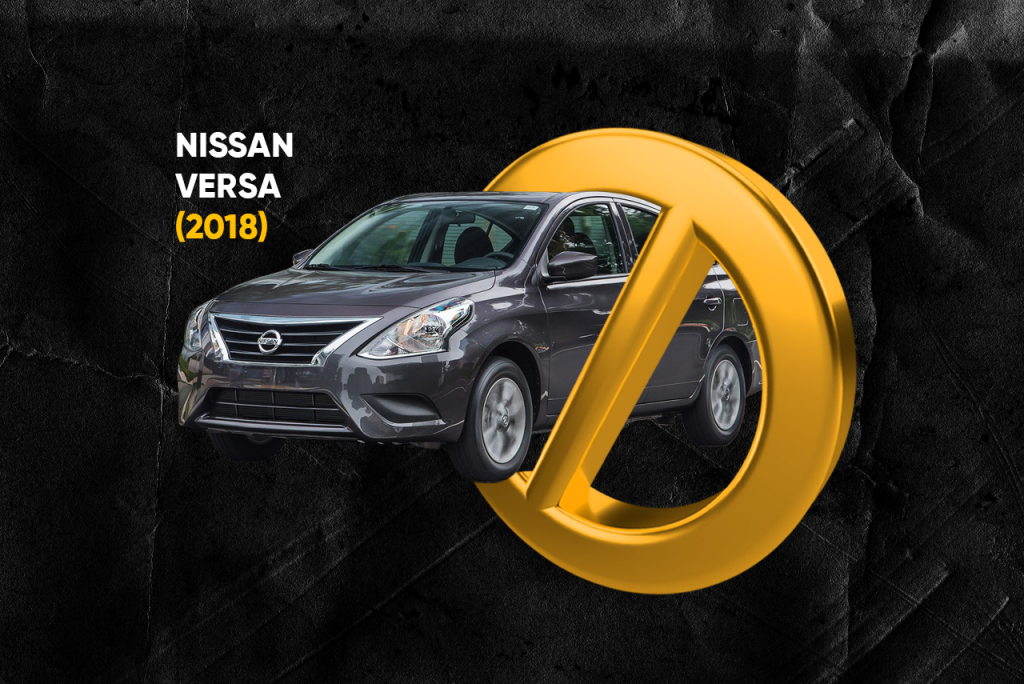
Overall score: 6.4/10 | Reliability rating: 2.5/5
The car is cheap in every way. The price of the base version from the showroom is about $12,000, which makes the Versa the cheapest new car on the US market. This is a pro but there are cons that you will feel when you get behind its wheel. The interior of the car is roomy but trimmed with low-quality hard plastic. The Versa's 109-horsepower engine is loud and strained, lacking the horses to be playful. There are no tech features inside; the car showed below average results in crash tests. The car’s reliability ratings are also low.
10. GMC Yukon (2019)

Overall score: 6.4/10 | Reliability rating: 2/5
The GMC Yukon is not the worst SUV. It just doesn't live up to expectations and is virtually indistinguishable from its cheaper sibling – the Chevy Tahoe. At the same time, the ride on the Yukon is rather slow due to its gearbox.
There are no particular issues with the reliability of the car but there are some with its lights and additional equipment – the owners (especially of early models) often complained about the the rear lights not working properly and the air conditioner breaking down.
11. Land Rover Discovery Sport (2019)
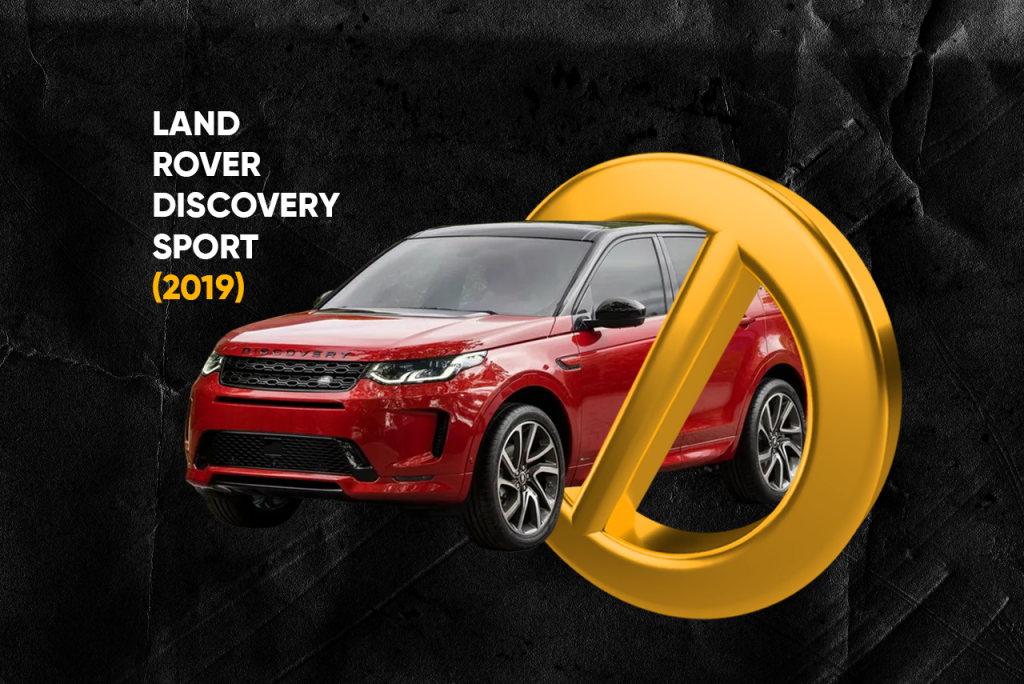
Overall score: 6.4/10 | Reliability rating: 2/5
The Land Rover Discovery Sport promises a first-class off-road driving experience but it’s not all rosy. Riding the Discovery Sport on rough roads can sometimes feel shaky. The turbocharged four-cylinder engine provides ample power but it is definitely not fuel efficient. And while the Discovery Sport is indeed a good off-roader, its capabilities are completely outshone by its less expensive competitors. The biggest con of the model is its reputation in terms of reliability.
12. Jaguar XJ (2018)
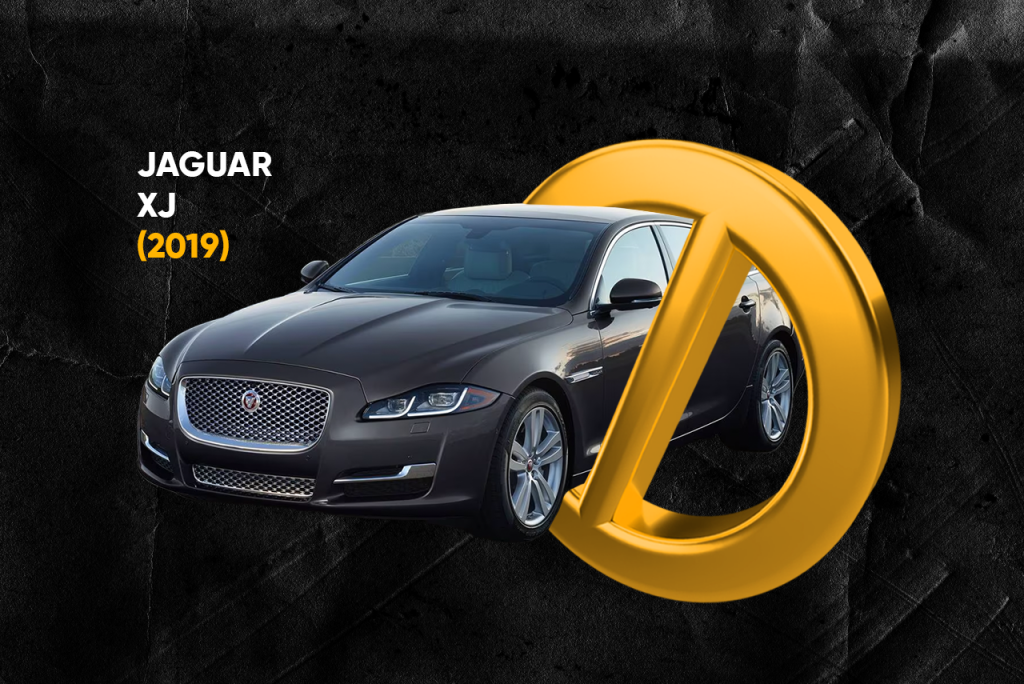
Overall score: 6.4/10 | Reliability rating: 2/5
The latest generation Jaguar XJ has become one of the most popular luxury sports cars. It's fairly stable on the highway, with a range of supercharged engines providing plenty of power for any driving situation. However, the interior styling and trim materials are disappointing, as are the complexities of operating the infotainment system. The good thing about the XJ is its extensive set of standard active safety features but the bad thing is its low reliability rating.
13. Cadillac ELR (2016)
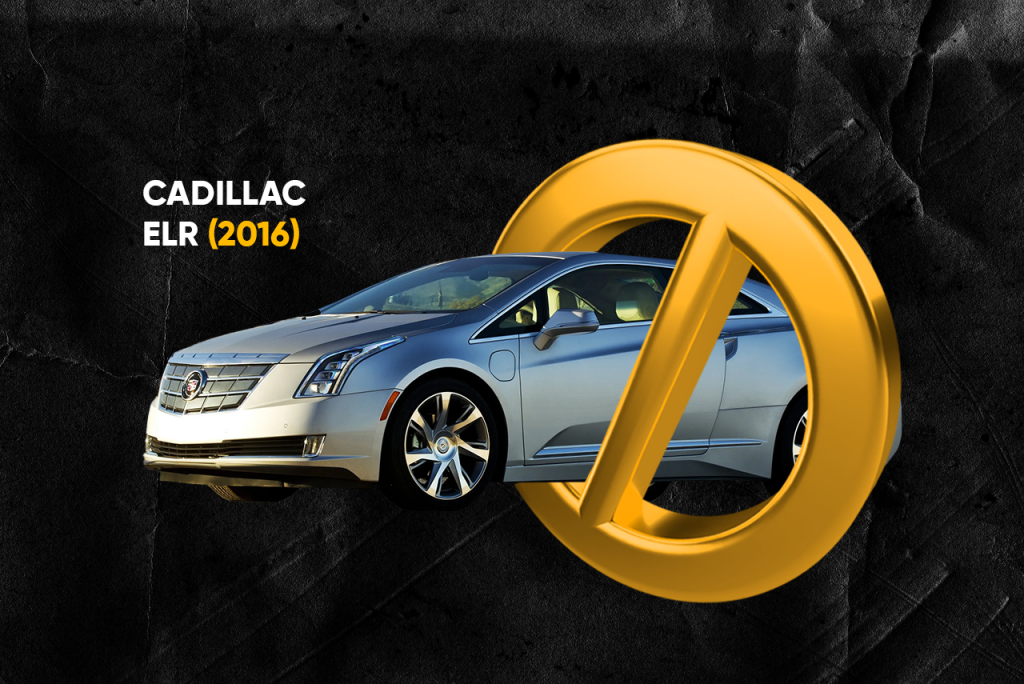
Overall score: 6.3/10 | Reliability rating: 3/5
The Cadillac ELR was discontinued just 2 years after the start of sales. It was a deluxe version of the Chevrolet Volt plug-in hybrid, offering more power than the Chevy, a comparatively chic interior, and more sportiness in the design of the two-door coupe.
But appearances turned out to be deceiving - the ELR was not at all sporty to ride, with drivers criticizing it for huge blind zones and inconvenient controls of the infotainment system, and passengers for the cramped rear seats.
At the same time, the starting price of the new car was a whopping $65,000, twice that of the Volt. Not surprisingly, less than 3,000 ELRs were sold in two years.
14. Ford EcoSport (2019)
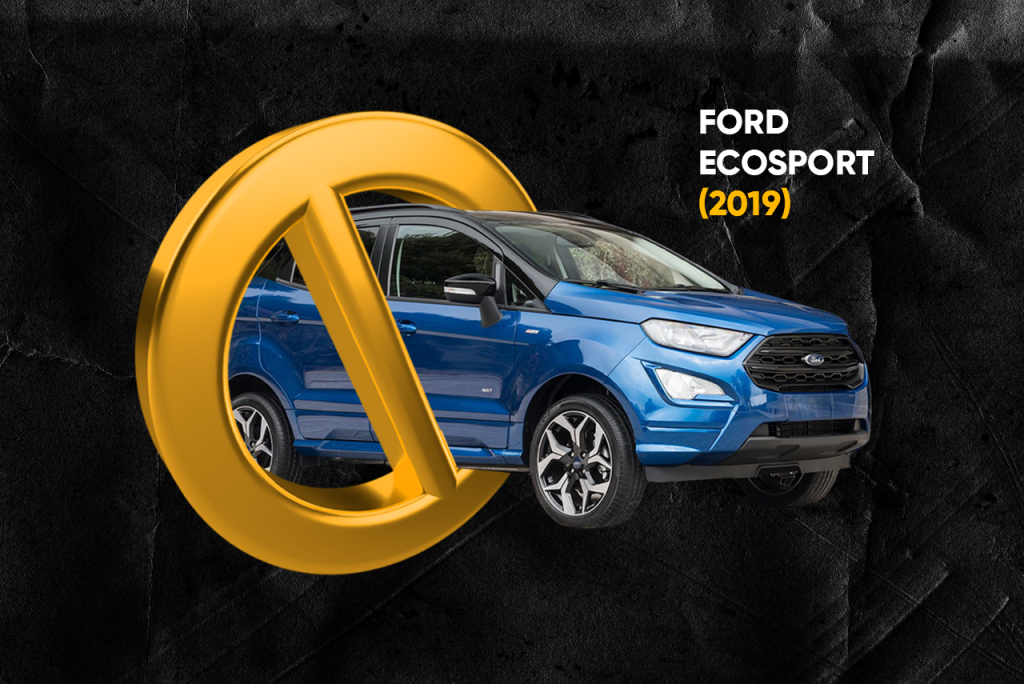
Overall score: 6.2/10 | Reliability rating: 3/5
Subcompact crossovers proved that good cars don't have to be big. But that is definitely not the case with the Ford EcoSport. This is not to say that it is a bad car. It has a fairly sharp steering with a number of driver assistance features available. But its three- and four-cylinder engines struggle to get the car going, and the suspension does not smooth out the bumps even on a perfectly suitable road.
15. Land Rover LR2 (2015)
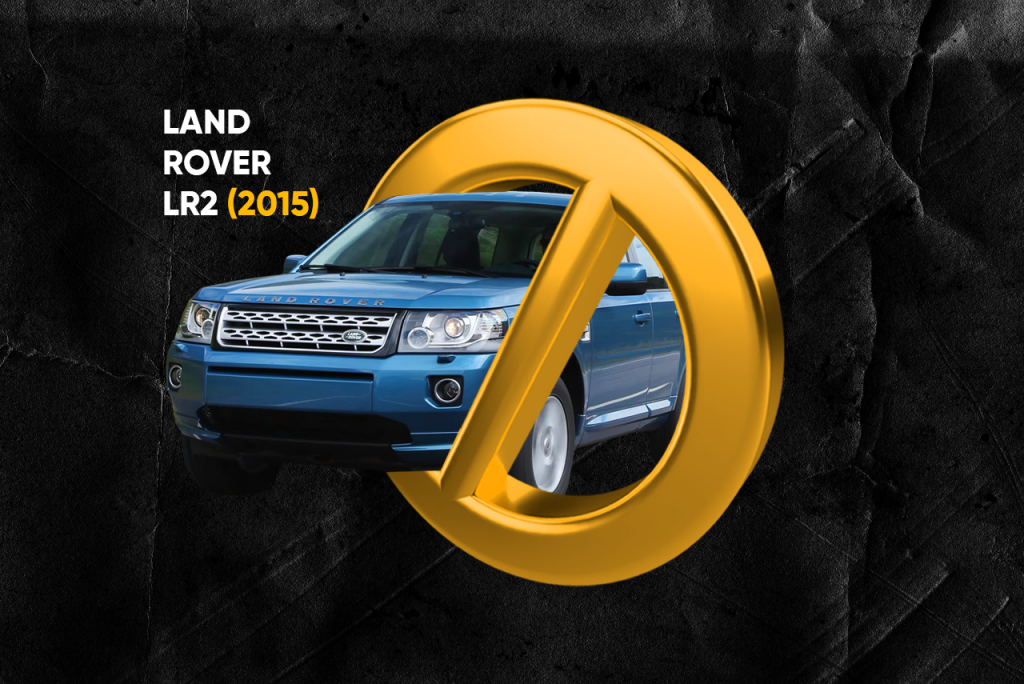
Overall score: 6.2/10 | Reliability rating: 2.5/5
A luxury SUV like the Land Rover LR2 can be relatively cheap but don't let it fool you. The LR2's reliability is below average - it requires repairs more often than other SUVs, and it is not cheap to maintain at all.
The outdated interior does not add optimism either and nor does its simple finish. The LR2 accelerates slowly and feels unsure in sharp corners, although it demonstrates decent performance off road.
16. Fiat 500L (2019)
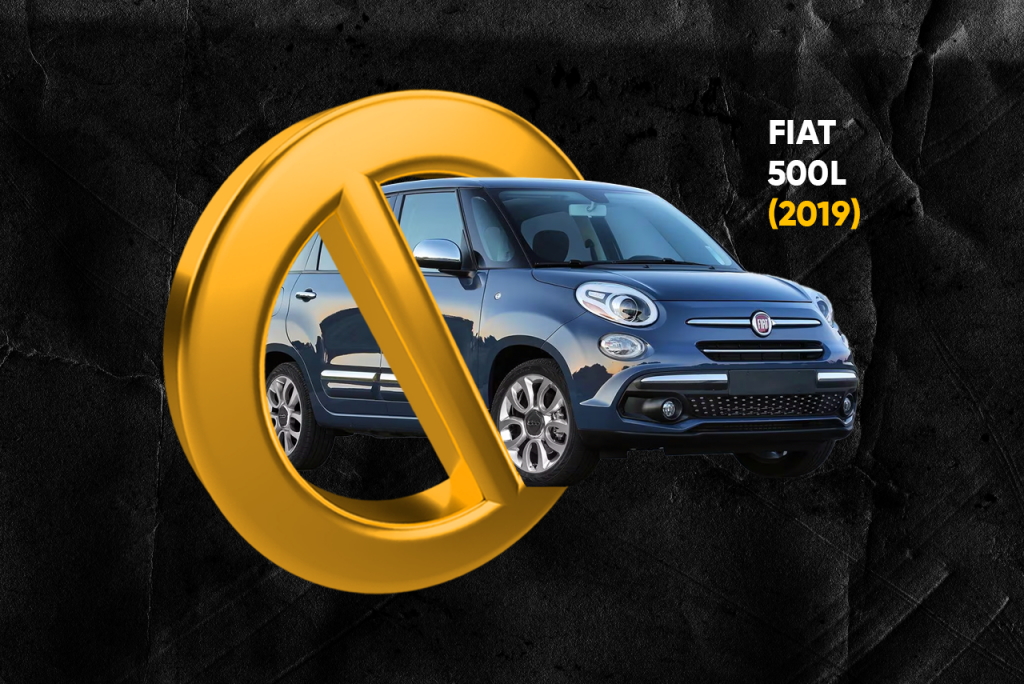
Overall score: 6.1/10 | Reliability rating: 2/5
The subcompact Fiat 500 never became popular in the US market. Its fellow station wagon got even less attention. The 500L just "did not drive". It had uninformative steering and an interior trimmed with cheap hard plastic.
The worst thing about this car is the dual clutch transmission that caused the Americans to get rid of the vehicle en masse. It got to the point that Fiat urgently replaced it with a conventional automatic. But it was too late – the sales of 500L were dreadful and in 2020, the production of the model was discontinued.
17. Fiat 500X (2019)
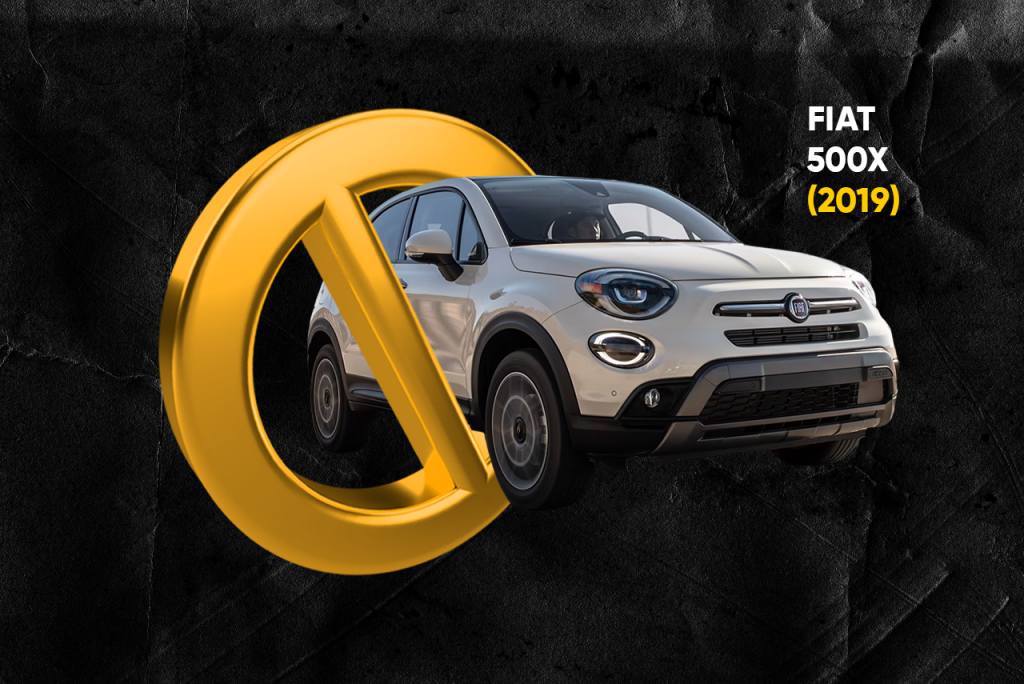
Overall score: 6.2/10 | Reliability rating: 2/5
Perhaps the Fiat 500X has adopted the 500's playful style better than the 500L. It looks sporty on the outside and decently finished on the inside. But there are a few flies in the ointment there: a noisy engine, a sharp gear shift of a nine-speed automatic transmission and an indecently small trunk volume for such a car.
18. Mercedes-Benz G-class (2018)

Overall score: 5.9/10 | Reliability rating: 3.5/5
The Mercedes-Benz G-class is a stunning SUV. It has a stylish exterior and elegant interior, as well as an excellent engine. The flip side of all this luxury is the cost of ownership. The G-class takes the lead in its segment and this applies to everything from maintenance to insurance and repairs. The rigid suspension makes the car uncomfortable for daily driving which gives points to its direct competitor the Toyota Land Cruiser.
19. Alfa Romeo 4С (2019)
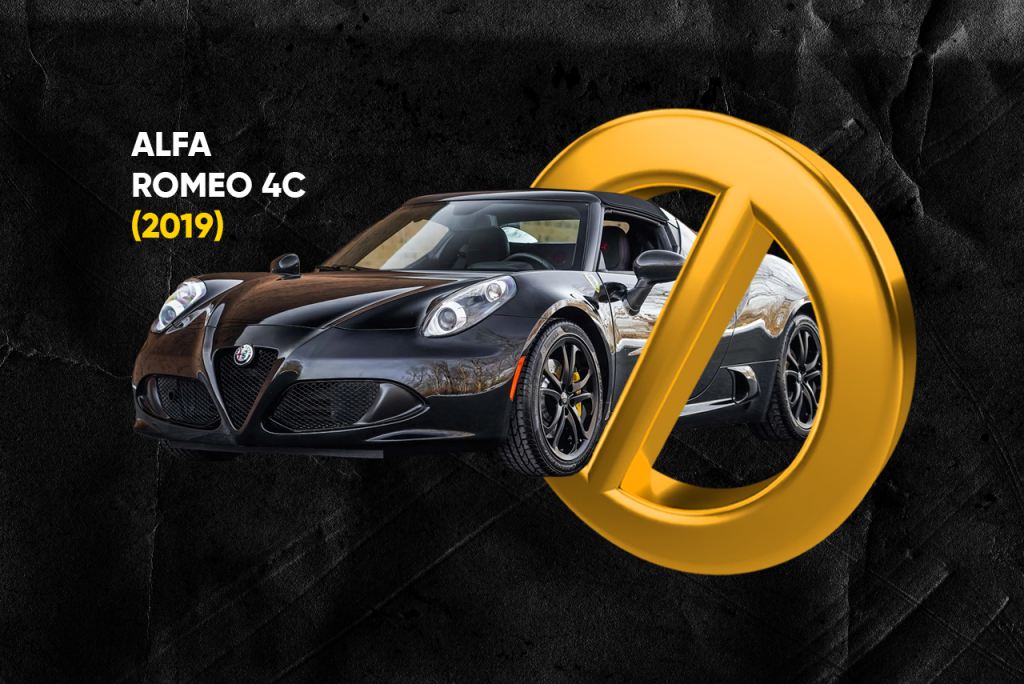
Overall score: 5.7/10 | Reliability rating: no data
The Alfa Romeo 4C is a classic sports car. You won't find a touchscreen or electronic safety features but you will get a relatively inexpensive interior (except for the carbon fiber panels). Just imagine: the 4C doesn't have power steering! Of course, for connoisseurs of cars like this, it is a pro that allows you to enjoy driving them, but the 4C is definitely not the best car for every day. The suspension rattles going over any bump in the road, where other luxury sports cars like the Porsche Cayman wouldn't even squeak. It is very noisy inside at speed, and the trunk is virtually non-existent.
20. Volvo XC70 (2015)
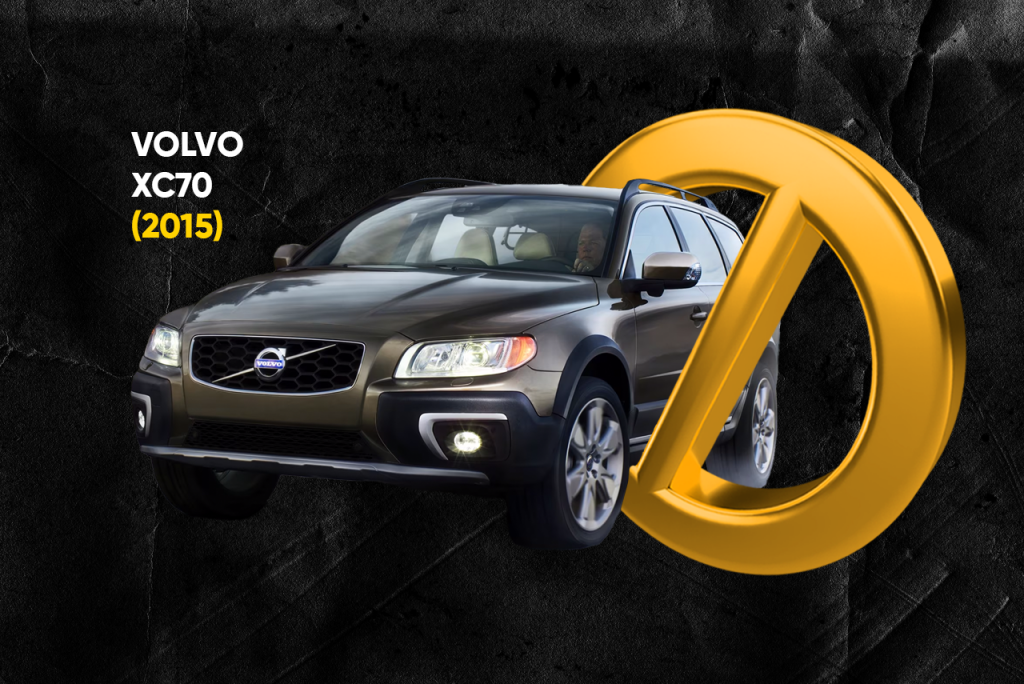
Overall score: 6.6/10 | Reliability rating: 2/5
The Volvo XC70 station wagon has firmly established itself in the market since its introduction more than 20 years ago. But time is relentless: its infotainment system is outdated despite all the model updates, miles to gallon numbers are not improving, and handling does not get better. At the same time, the ownership of this Swedish car costs a pretty penny and is much higher than the average in the segment.
Despite a wide range of driver assist features and a decent luggage compartment, the XC70 has the lowest reliability rating among Volvos, which negates all its advantages.
Sources: Cars.usnews.com, Iseecars.com


Help in the service