
Buying a used car? Make sure it’s never been «flooded»
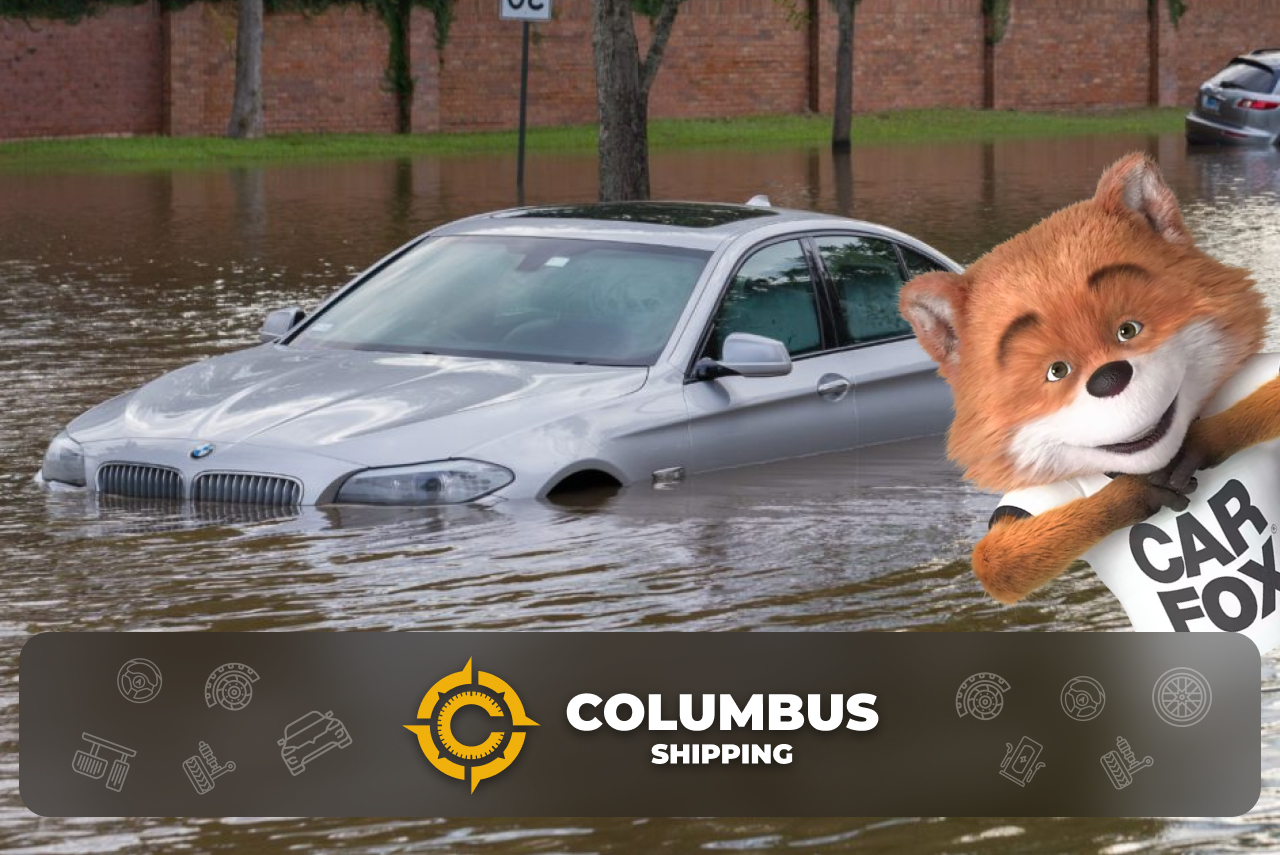
Floods have become a grim reality for many states in America. This means that many vehicles with «for sale» tag in the United States have, to say the least, been subjected to some water damages. The buyers need to be very vigilant!
According to Carfax estimates, as much as 212,000 cars in the United States have been significantly damaged as a result of the last year’s Hurricane Ida, with another estimated 378,000 nature-tested vehicles back on the roads.
Should the seller openly admit the fact that the car has been subjected to water damages and offer a solid discount, this can be, as they say in America, «worth your time». However, many sellers conceal the water damages, hence one needs to stay alert.
Some of the ways to tell if the car you’re eyeing has met the creatures of the sea.
1. Look inside, touch, smell.
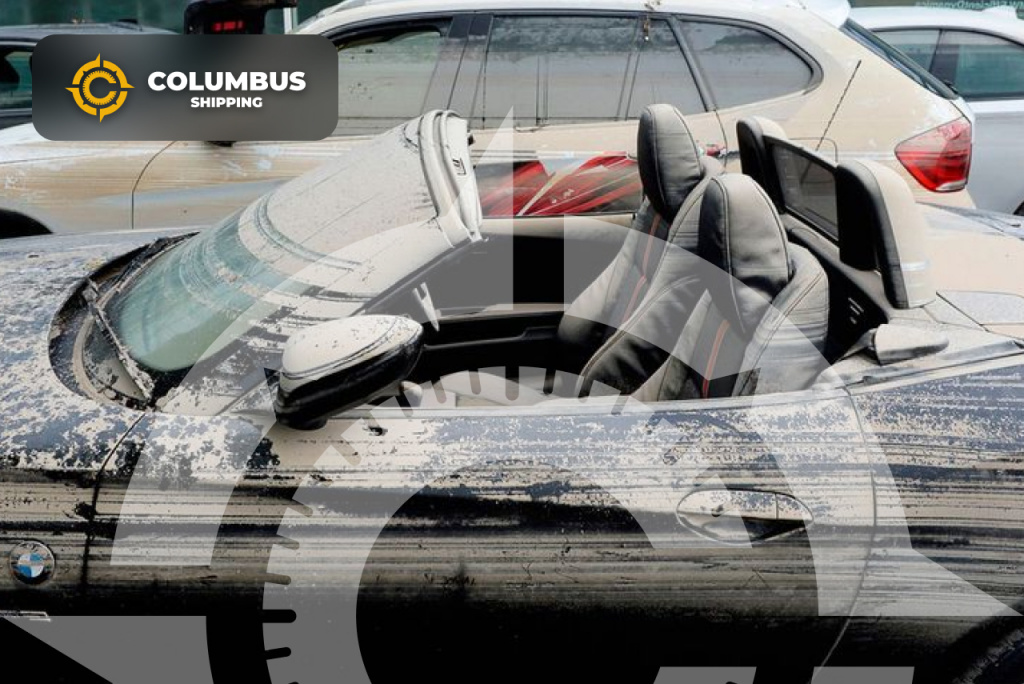
Regardless of the effort that the seller might have put into trying to dry out the «flooded» car, there still will be some moist left. Examine closely the surfaces underneath the break and throttle pedals. Keep in mind that a seasoned car with new car mats can indicate an attempt to conceal the remaining signs of flooding. Look underneath the mats, put your sense of smell to the test: do you feel the musty smell of mildew? Check the trunk as well: lift the covering mat, take out the spare tire, put your hand on the surfaces of the compartments. If it’s all dry, that is a good sign.
2. Make sure the brake lights/headlights/audio system/car horn function correctly.
It’s a well-documented fact that the water damages electric appliances and wiring, yet people seldom decide to give it a thorough check before striking a deal of purchase. Test the car’s sound signal, turn on the radio/stereo in the car, insist on the owner checking the brake lights/turn signals/headlights/rear lights. Make sure that everything is functional. And you do not need to apologize for inconvenience, too – not a single respectable seller minds a thorough technical check-up of their vehicle before sale.
3. Run the car’s VIN check through commercial web-service that provides vehicles’ back history (AutoCheck, for example).
This can help you discover a certificate (Salvage or Junk) issued to a car, or some data on the application for the flooding damages reimbursement by the insurance company.
4. You need to get your hands dirty, but it’s worth it.
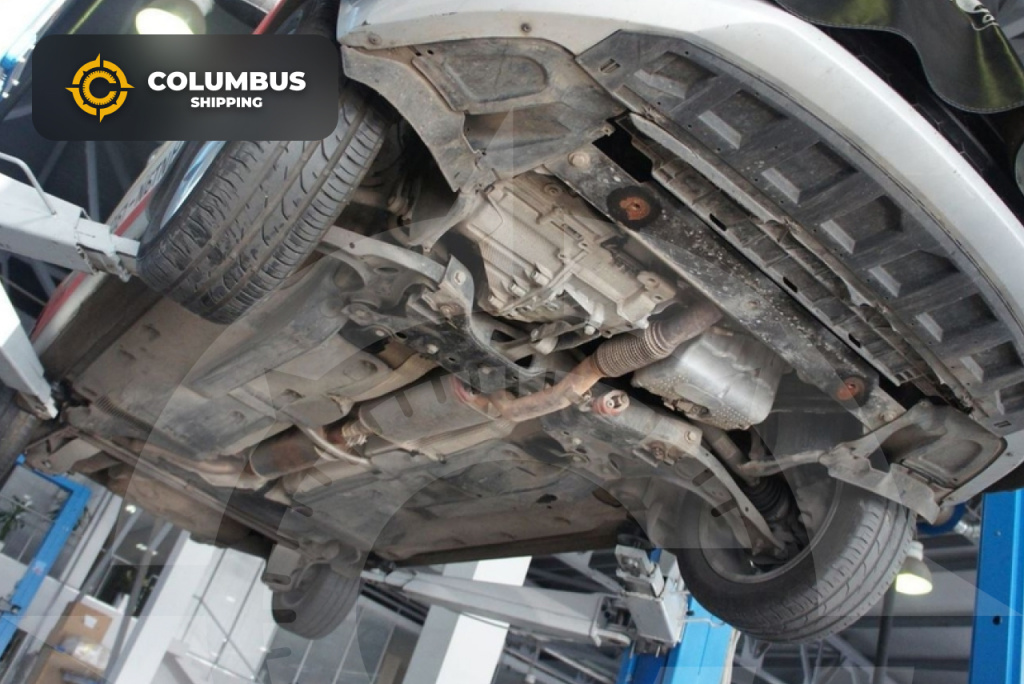
Grab a lamp and look underneath the car, seek excessive rot and corrosion on the chassis. There are usually rubber plugs under most of the chassis and doors on the vehicle, make sure the plugs have not been replaced very recently. Take a close look at the bolts and screws underneath the seats, make sure they are not covered with orange/brown rust. Pay attention to any indicators that the seats have been removed, for it might indicate that the water damages have been eliminated.
Finally, stick your hand down the door well. Should there be mud, moist in particular, this is a sure sign that the car has «taken a dive».
5. Are there any water marks on the vehicle?
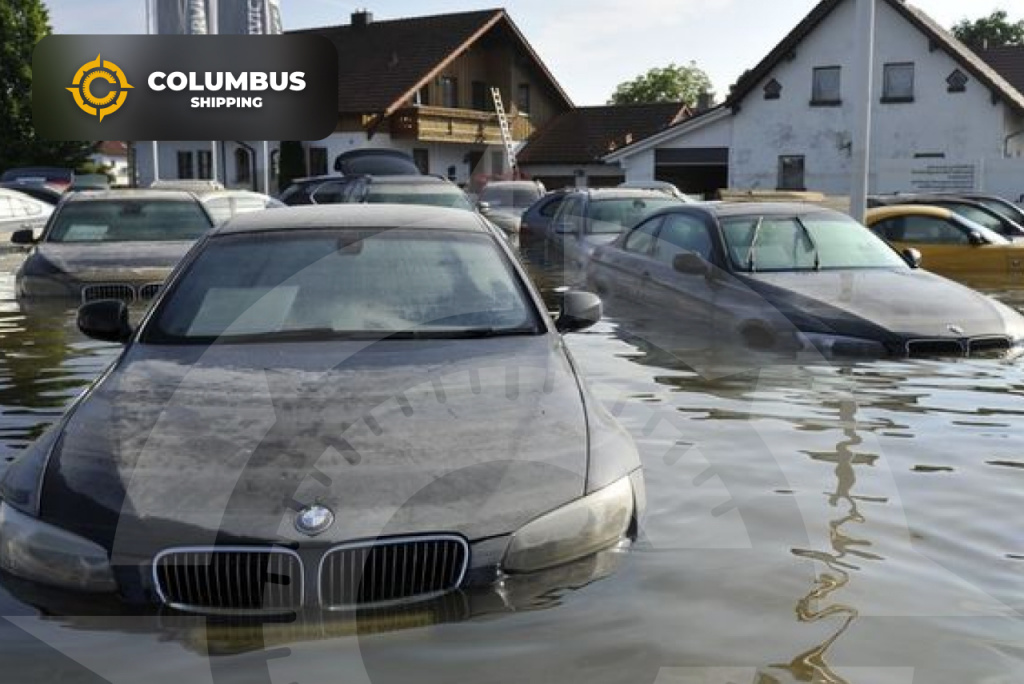
Carefully examine the sides of the car. Had it been in the water for some time, you can detect fossilized dust or biological residue.
And final suggestion
One does not always have an opportunity to examine the car personally (for instance, this option is basically impossible when buying a car remotely, at a car auction). In cases as such, seeking assistance of a certified mechanic is strongly suggested. Columbus (Warsaw) offers an option of vehicle diagnostics on site of its sale. A Columbus professional will examine your car in the United States, and will pay utmost attention not only to the indicators of water damages, but mechanical issues, body faults and other mishaps. All the flaws discovered will be listed in the report that is drafted by the mechanic for the buyer. A small fee for this service can save you thousands of dollars!
On the subject
What kind of damages does the water do to your vehicle?
Water may not only damage the car, but lead to its complete loss. It does not necessarily require a car being fully immersed under water.
Electrical failures happen when water penetrates the wiring and shorts the electric circuits. What makes it even worse is that the digital blocks of the modern-day vehicles are excessively sensitive to the deterioration of the contact with the «mass» (car body).
As a rule, contact with water leads to corrosion of electrical terminals, a problem which might not reveal itself over months or even years, making up for a very disappointing and unexpected surprise later on.
-
Mechanical failures come in various shapes and forms. When water gets into the working engine, it can cause a hydrostatic shock, and with time passing, corrosion envelops the engine compartment. Water seeping into the ball joints, steering rods, differentials and other units causes premature tear.
-
Mold and fungus form when organic material infiltrates the water, which floods the vehicle. Sadly, attempts to get rid of the moisture-induced biota are ineffective most of the times.
-
Rust and corrosion occur every time when water meets bare metal. Early on, this looks like a bit of «ginger» on the door sill, but later the rot eats away on the entire body.


Help in the service