
What Diesel Cars Can You Buy in the US?

Cars with diesel engines have many fans in our country. In the US, the situation is the opposite: diesel engines have not taken root there due to strict local environmental standards. However, some manufacturers install diesel engines on their pickup trucks and SUVs, paying tribute to their consumer properties and export prospects. Columbus presents a list of some of the ones that are most frequently imported to Europe.
Cars with diesel engines have virtually disappeared from the US market. There are several reasons: the high cost of diesel fuel in the United States, the peculiarities of legislation that strictly limits CO2 emissions, and the widespread transition to electric vehicles. And yet, the diesel landscape of America still has several exciting cars from different manufacturers that would make Rudolf Diesel himself proud. Some of them have been produced in the US for many years and are widely represented on the secondary market. Others have just rolled off the assembly line, but in a year or two they too will inevitably end up at car auctions.
Ford
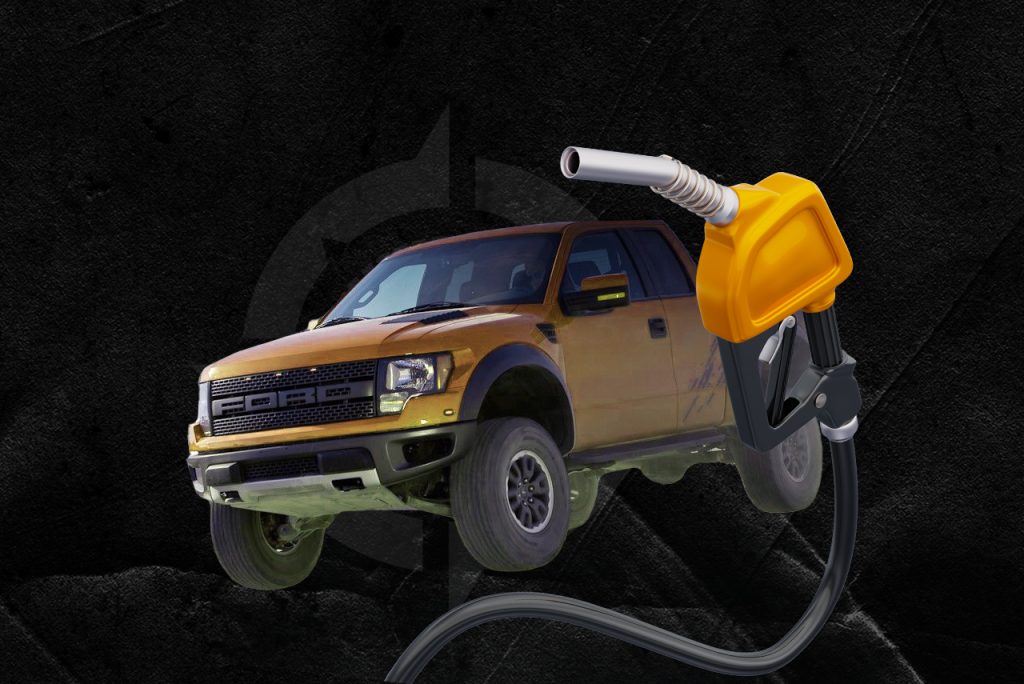
In July 2021, Ford stopped putting the 3.0-liter V-6 diesel engine in its mega-selling F-150 pickup truck, switching to the production of hybrids and electric vehicles with the same index. But the powerful Super Duty still comes with a turbo diesel 6.7-liter V-8 that produces 475 hp and 1423 Nm of torque. The Diesel Technology Forum, a trade group that advocates for the diesel industry in the United States, still hopes that the Bronco and Expedition full-size SUVs will also get a diesel engine.
Ford diesel pickups
-
6.2 L Raptor, 411 hp
-
6.7 L Super Duty, 475 hp
-
3.5 L F-150, 294 hp
Jeep and Ram Trucks
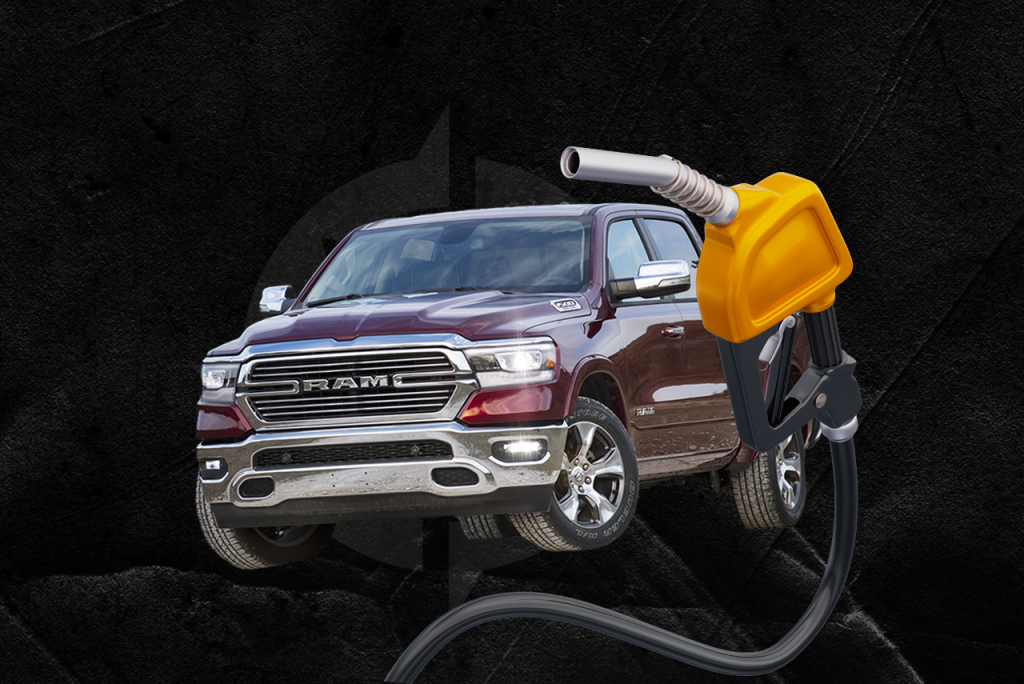
As you probably know, these two brands are part of the transnational corporation Stellantis that has strong positions in Europe. And this is a pretty significant reason why the Jeep Gladiator and four-door Wrangler Unlimited SUV are still equipped with a 260-hp 3.0-liter EcoDiesel V-6 engine that produces 599 Nm. Fuel consumption in the combined cycle of the “eco-motor” is 9.4 l/100 km. According to estimates by the EPA, this is slightly lower than the combined cycle consumption of gasoline engines used in the SUV. Plus, the Wrangler 4xe plug-in hybrid offers 33 km of all-electric driving range.
The standard Ram 1500 pickup can also be equipped with an EcoDiesel V-6 engine that produces the same 260 hp, but with 650 lb-ft of torque. This allows the Ram to look down on, for example, GM's 3.0-liter pickups. The maximum towing capacity of the Ram 1500 is 5 tons with fuel consumption starting from 9.05 l/100 km.
The heavy-duty Ram 2500 and 3500 pickups offer two options of the 6.7-liter Cummins turbo diesel inline-six engine. The standard 2500 version produces 370 hp and 1152 Nm, while the pumped 3500 offers 420 hp and an intimidating 1,075 lb-ft (1,457 Nm) of torque.
Jeep Diesel SUVs
-
2.2 L Rubicon, 200 hp
-
2.2 L Sahara, 200 hp
-
2.8 L Sport, 174 hp
-
2.8 L Sahara, 197 hp
-
3.0 L Wrangler Unlimited, 260 hp
Ram diesel pickups
-
5.9 L Rumble Bee, Daytona, Hemi Sport, Power Wagon, 300 hp
-
6.7 L Ram 2500 and 3500, 370 hp
Cadillac, Chevrolet и GMC
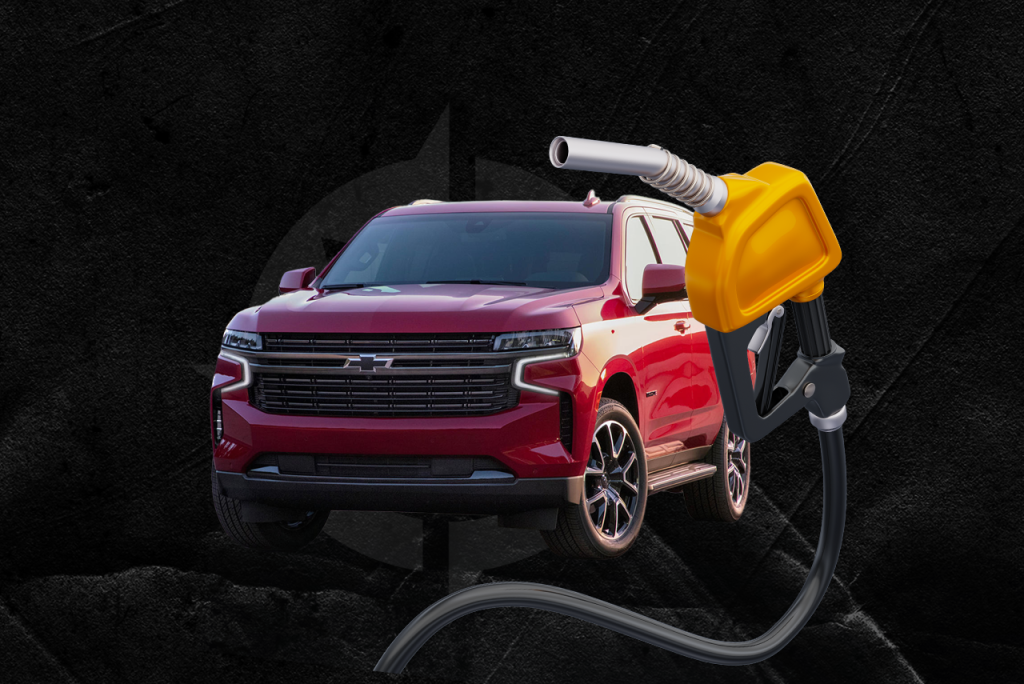
GM, the maker of Cadillac, Chevrolet and GMC, offered three diesel engines for its pickups (the same ones are installed on new models) and full-size SUVs.
The “cousins” Chevrolet Silverado 1500 and Sierra 1500 pickups are powered by GM's 3.0-liter inline-six turbo diesel engine that produces 277 hp and 623 Nm of torque.
A pleasant surprise of the 2023 model is an increase in maximum towing capacity of the engine by 1.8 tons. The Max Trailering Package increases maximum towing weight to 6 tons for Silverado and 5.9 tons for Sierra – that is for rear-wheel drive Crew Cab versions with 20-inch wheels.
If you remember, in 2021, GM upgraded its standard and extended SUVs like Chevrolet Tahoe and Suburban, GMC Yukon and Yukon XL, as well as Cadillac Escalade and Escalade ESV, which are created on a single platform and differ in configuration and trim details. All vehicles are powered by the 3.0-liter inline six cylinder diesel engine from the Silverado and Sierra pickups.
So what difference does it make? Well, for instance, the Escalade averages about 12 l/100 km with the base gas engine and rear-wheel drive, according to the EPA. When equipped with all-wheel drive, the numbers drastically change. Models with a diesel engine show much better performance 0- 9.8 l/100 km.
For Chevy and GMC SUVs, the diesel engine is a mid-priced option between the base 5.3-liter gasoline V-8 and the 6.2-liter V-8. Compared to a V-8 which requires premium fuel, diesel provides for cost savings.
The mid-size Chevrolet Colorado and GMC Canyon pickups are equipped with a 2.8-liter four-cylinder turbo diesel engine producing 181 hp and 500 Nm of torque; According to EPA, the 4WD vehicle consumes 12.4 l/100 km in the city and 10 l/100 km on the highway. These figures are slightly higher than those of the pickup trucks with the gasoline 2.5-liter four-cylinder engine or the 3.6-liter V-6.
Heavy-duty 2500 and 3500 versions of GM's full-size Silverado and Sierra pickups are available with GM's 6.6-liter Duramax turbo diesel V-8 engine. Combined with a 10-speed automatic transmission, it produces 445 horsepower. Of course, talks about fuel economy are irrelevant in this case.
Chevrolet diesel pickups
-
3.0 Silverado 1500, Sierra 1500, Tahoe, Suburban, GMC Yukon/Yukon XL, 277 hp
-
6.6 Silverado 2500 and 3500, 445 hp
-
2.8 Colorado, Canyon, 181 hp
Cadillac diesel SUVs
-
3.0 Escalade, 277 hp
-
6.2 Escalade, 426 hp
GMC diesel pickups
-
2.8 Canyon,181 hp
-
6.6 Sierra 2500/3500 HD, 445 hp
The most efficient
The cars presented in the list that consume the least fuel per 100 km (on the highway).
Diesel SUVs (full size)
-
Ford Expedition: 12.38 liters (rare models with the Power Stroke engine)
-
Lincoln Navigator: 12 L
Diesel pickups
-
Chevrolet Silverado 1500 Diesel: 8.71 L
-
GMC Sierra 1500 Diesel: 9.05 L
-
Ram 1500: 9.05 L
-
Ford F-150 Diesel: 9.41 L
-
Chevrolet Colorado Diesel: 10.23 L
-
GMC Canyon Diesel: 10.23 L


Help in the service