
How to Spot Odometer Rollback on Used Car
As the saying goes: Don’t trust everything you see. Even salt looks like sugar. This is also true if we are looking at the odometer - the readings do not always correspond to the actual mileage of the car even if you purchased it in the US. The following tips will help you avoid odometer fraud.
According to the US National Highway Traffic Safety Administration (NHTSA), each year more than 450,000 vehicles are sold with tampered odometer readings causing a total loss of up to $1 billion to unsuspecting buyers. Impressive number, isn’t it?
The term “odometer rollback” is used to refer to fraud when readings of the device that records the mileage of the car - the odometer – have been falsified. In Canada, the UK and Ireland it is sometimes referred to as “busting miles” or “clocking’. Unfortunately, it is quite possible to alter the readings of both mechanical and digital / electronic devices and it is done by crooks all over the world. The reason is obvious – odometer rollback allows you to sell the car for more money. The NBC News Service gives a good example: A 2007 Chevy Silverado with 265,000 miles was worth about $14,000. After the digital odometer was reset to 85,000 miles, the truck's value soared to $23,000.
Mechanical or analog odometers
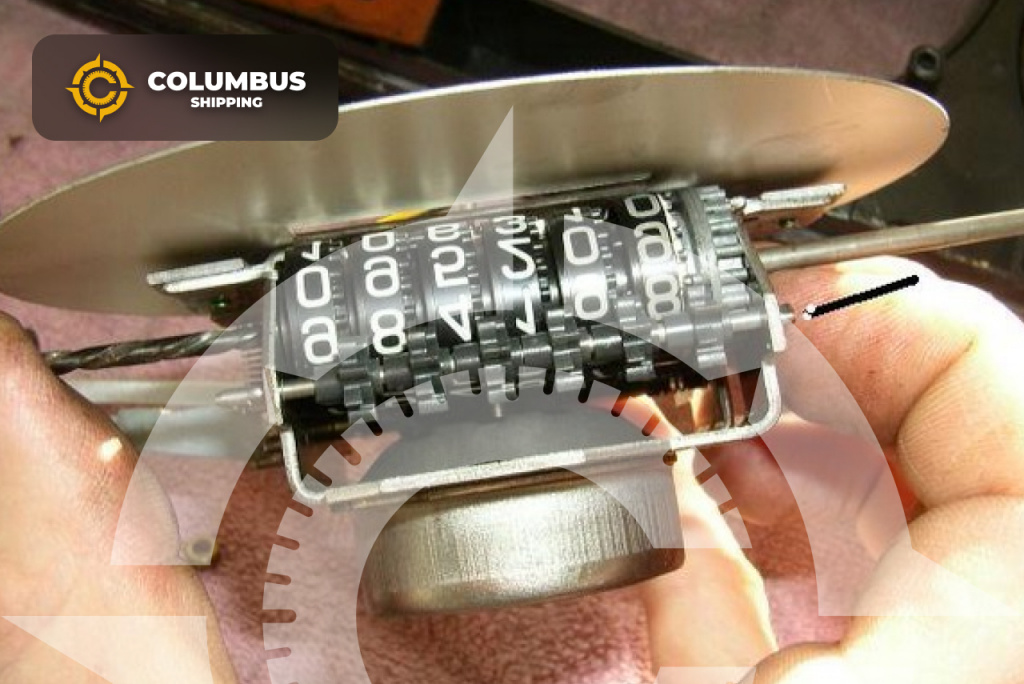
Understanding how odometers work is not that hard. Until the early 2000s, mechanical devices dominated the market. These simple devices consisted of a set of gears that were driven by flexible cables connecting the device and transmission, usually rotating inside a protective metal tube.
The analog odometer gears were carefully calibrated to ensure accurate measurement of the distance the vehicle traveled.
Digital odometers
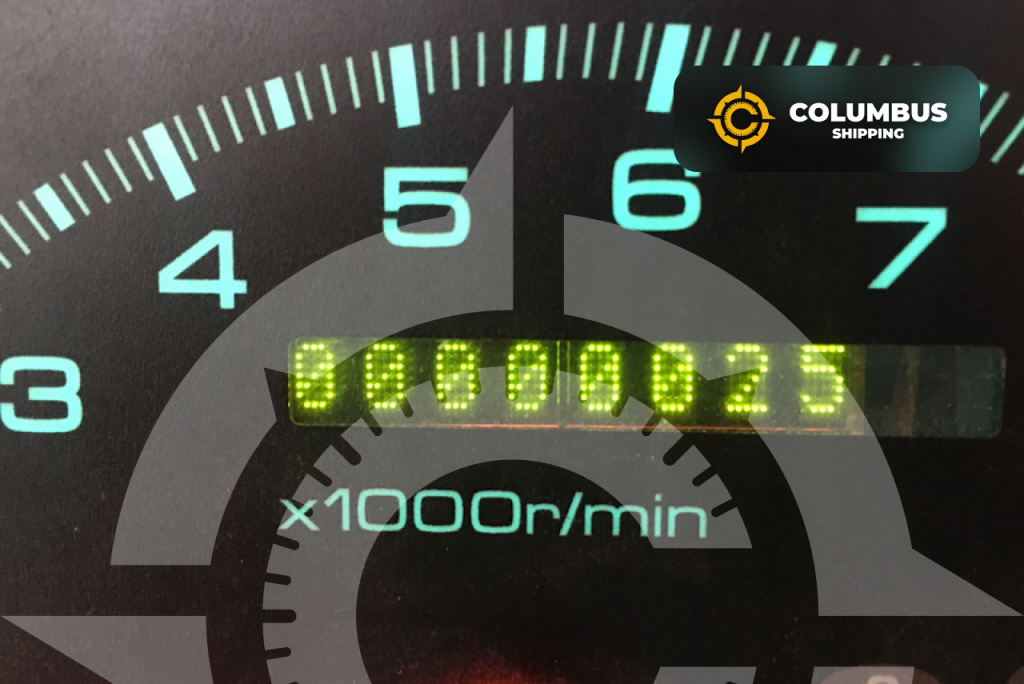
Most car manufacturers started replacing analog odometers with modern digital ones at the beginning of this century. Similar to the mechanical devices, the digital ones track the rotation of the wheels, but in a different way - using magnetic or optical sensors which record the number of revolutions made by the gear wheel rotated by the movement of the tires. Information is recorded in the Electronic Control Unit (ECU) and displayed on the odometer.
How to spot a fraud
You will need to do some research to find out what a car of a particular make, model, and year of manufacturing should cost. If you don't know where to start, check out our blog post on 5 best websites for used car comparison.
Make sure that the price, the condition of the car and its mileage are in sync. An average American drives their car about 20,000 km a year - perhaps these numbers will come in handy in your analysis.
Before buying a used car in the US or Canada, be sure to order a vehicle history report from a specialized online service like Carfax, AutoCheck, InstaVIN, CarProof, VIN-Info, etc. For example, if you contact Carfax, you will find a lot of information related to odometer readings in damage history, recall statuses, etc. Compare the recorded figures with the odometer readings and make sure they correspond.
Ask yourself the question: do the odometer readings correspond to the current state of the car, the wear of the steering wheel and pedals, and even the condition of the gear stick?
------------
NHTSA summed up recommendations on how to avoid odometer fraud as follows:
-
Compare the logs in the car's service book with the odometer readings. Vehicle maintenance reports are an excellent source of data because they include odometer readings. Look for oil change and maintenance stickers on the windows or door frames, in the glove compartment or under the hood to confirm the information in the book.
-
View vehicle history data (VHR). Vehicle history report also known as VIN check contains odometer readings along with vehicle registration history. You can compare the numbers from the document with the current meter readings. Any inconsistencies in numbers are a red flag. If the seller does not have a VHR report on hand, you will need to obtain one online using the Vehicle Identification Number (VIN). We provided a detailed description on how to do that in our recent blog article How to find out the truth about a car: 10 best VIN decoders
-
Examine the odometer to ensure there are no signs of physical tampering. The numbers on the device should be legible with no spaces between them. They should not look crooked or shake when tapped. If you see anything like this, the mechanical odometer has probably been tampered with. Make sure to inspect all screws of the dashboard cluster and check if they correspond to those specified in the car's owner's manual. .
-
Compare the appearance of the car with the odometer readings. It is not always easy to conclude whether the odometer reading is consistent with the wear of the vehicle. It can be patched up to some extent to deceive the buyer. However, wear on the gas, brake and clutch pedals can give away the true state of the car. You should also inspect the tires - if the odometer shows 20,000 miles or less, the car should still be equipped with the original set of rubber.
-
If the car has a digital odometer, refer to a service station. The vehicle's ECU records the pulses captured by the magnetic or optical sensor and stores the data properly, and experts have the tools to read them.
Most Useful Inspection
The most effective way to go is to have the car inspected by a professional mechanic. And this service is offered by Columbus to its customers buying a car in the US. The expert will establish whether the odometer readings correspond to the actual mileage as well as do a complete check of the technical condition of the car. The customer will be provided a corresponding report including a photo and all the necessary recommendations for the future car repairs.
For your information
Tampering with odometer to misrepresent the info about the vehicle is considered a crime in the United States.
The federal fine for falsifying odometer readings is up to $10,000 and/or 3 years in prison.


Help in the service