
How to check the history of a car from the US and avoid buying a "lemon"
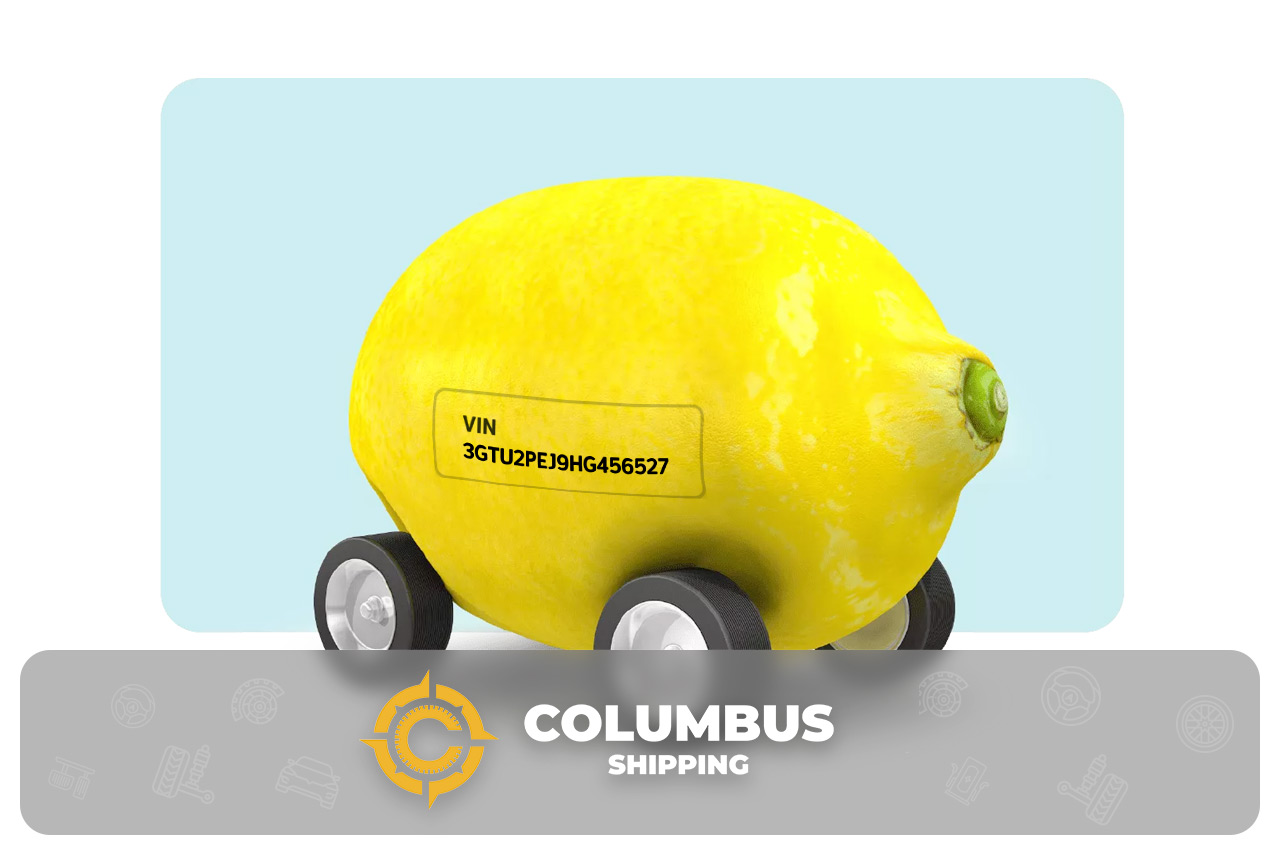
When buying a used car in America, you probably want to make sure that you know its complete history of operation and that it has no hidden defects.
This is totally understandable and not too hard to do. We are happy to announce that this service is free of charge for Columbus customers in Georgia.
You can order a free VIN check for vehicles purchased in the United States from the National Insurance Crime Bureau (NICB), VehicleHistory.com or iSeeCars.com/VIN, AutoCheck, or DMVDesk for information on motorcycles. The list of information resources is long, but for many years it has been led by CARFAX - the company that set up the first nationwide auto database in the United States.
Business by fax

CARFAX was founded in 1984 by Ewin Barnett III and Robert Clark in Columbia, Missouri. The company's data center is still located in this American city, where Barnett came up with the idea to create a database that allows you to expose fraudsters who change odometer readings.
In 1986, he offered the Missouri Auto Dealers Association an early version of the CARFAX Vehicle History Report. The form was developed using a database that initially had only 10,000 entries and was sent out by fax, hence the name of the company.
In December 1996, the Carfax.com website was launched, providing vehicle history reports to individuals as well as businesses. At the time, the US National Highway Traffic Safety Administration (NHTSA) had already standardized the VIN format which required all road vehicles to contain a 17-digit identification number, so things got going a lot more quickly. CARFAX has become the leading global web service providing all available vehicle data in the US, Canada and 20 European countries.
What is a VIN report and how does it help?
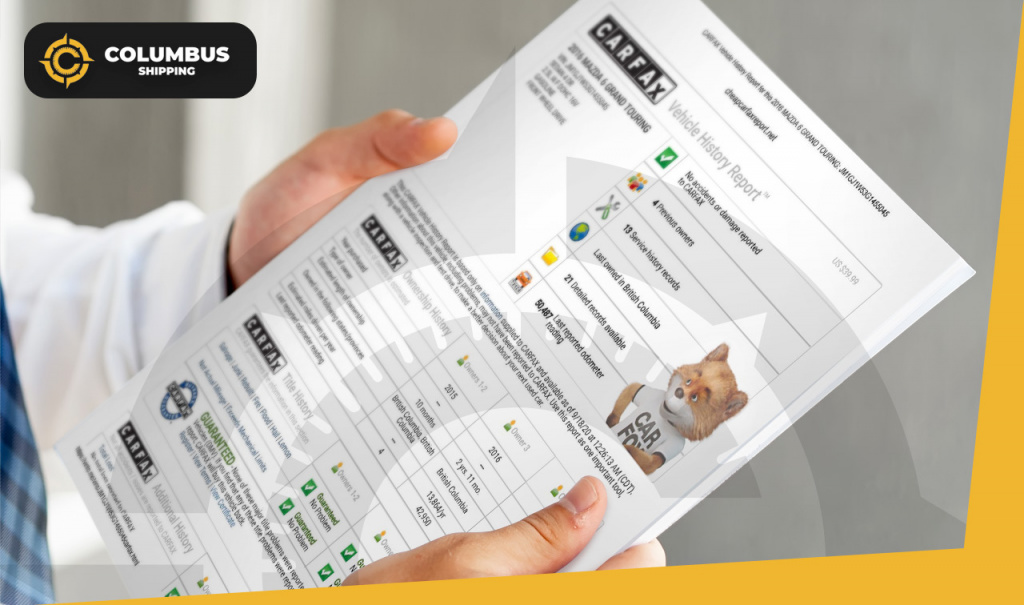
Over time, the CARFAX report has become a household name and fun fact - “carfax" now refers to paperwork provided by any vehicle history online service.
At the same time, the original carfax remains a kind of a quality seal. CARFAX reports help the buyer to be confident when choosing a promising used car and avoid buying one with hidden defects.
The general agreement is that CARFAX produces more detailed maintenance records and identifies previous car owners more clearly compared to its main competitor AutoCheck.
Why would you need to check the history of every used vehicle? This is more of a rhetorical question but still let us highlight three main points:
-
Thanks to the CARFAX report, you can identify if there any issues with odometer or if it has been manipulated. Minor ones will reduce the car price, but if they are serious, you will need to refrain from purchasing the vehicle.
-
Hidden accidents are a serious issue. CARFAX will protect you from purchasing a piece of scrap metal disguised as a car -these vehicles are ironically referred to as "lemons" in the US.
-
The service history of the car will show how well it was looked after. Poor maintenance inevitably leads to a visit to repair shop.
The web service form includes vehicle data obtained from various sources - insurance companies, car dealerships and service stations, law enforcement and other government agencies.
If you are choosing the car yourself on market place websites like Craigslist or eBay, you will have to check the car yourself. But it’s all much easier if you sign a consulting agreement with Columbus. The company provides free access to the CARFAX database and Columbus professionals will never allow the purchase of a car with issues that surfaced during the check.
The CARFAX report contains photos of the car from various sources, not just the auction. CARFAX stores archive images of cars from different market places, accident reports (taken by insurance agents or policemen), etc.
The photo report allows you to get an idea of the condition of the vehicle before and after the accident. And that includes possible previous accidents in addition to the one that landed the car on the auction.
Let’s explore the content
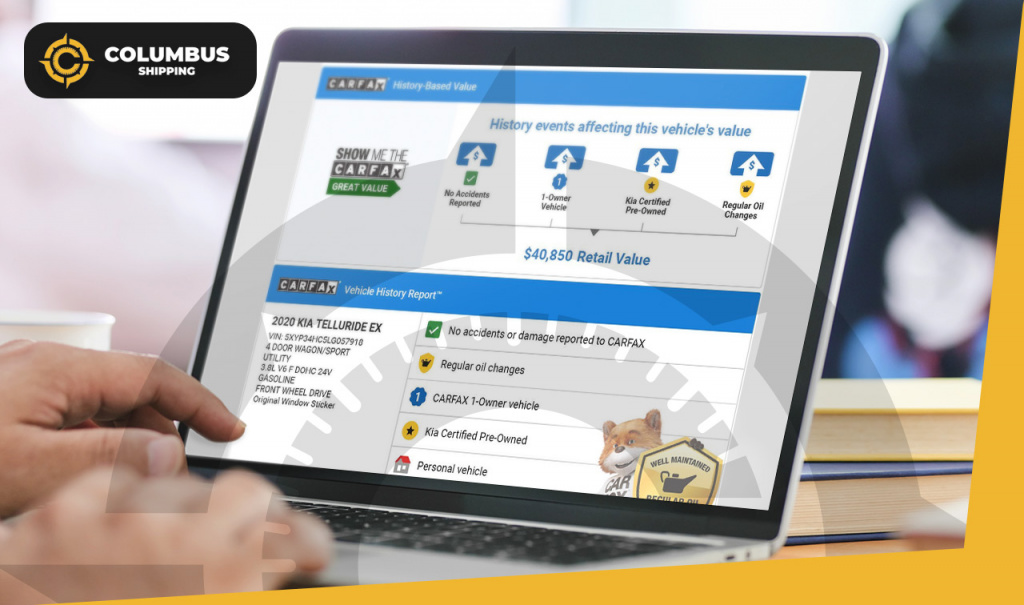
The CARFAX report is divided into several sections to give you an idea of the history of the vehicle you are purchasing.
1. General information
The Vehicle Report section contains general information about the car providing the following items:
-
Vehicle information, maintenance information. Car model, VIN, engine type, type of fuel used, drive information. You can click on additional links to find out more about the car’s packaging.
-
Branded Title – salvage. It is a used vehicle’s log book detailing damage, as well as the accidents in which the car was involved, the types of damage, technical issues, and other data.
The Branded Title may include the following details:
-
Damage Report.
-
Previous owners information.
-
At least 1 open recall detailing possible recalls.
-
Types of owners – personal use, lease, taxi cab, etc.
-
Last odometer reading report showing how many kilometers the car has done.
2. Information about the number of owners
This section includes information about the previous owners of the car, but without their personal data which is prohibited by law.
It also tells us the year of purchase, time and type of ownership, state and city where the car was operated. There is data on the approximate annual mileage of the vehicle, and the last recorded odometer readings. The section is useful for those who want to check the mileage of the car and make sure that the data on the owners of the car is true.
3. Vehicle condition
The section includes information about the condition of the car during the times when it was operated by different owners.
An exclamation point in a red triangle (ALERT!) indicates that the section contains important data. Usually it indicates that the car has been in an accident or has undergone major repairs.
4. Additional data
The section contains details or statuses that allow you to determine the degree of damage done to the car, the cost effectiveness / expediency of further repairs.
Interpreting this information requires experience. For example, the formidably sounding Total Loss Reported status does not necessarily mean that the car has critical damage. It might have had an air bag deployed after a minor bump. This is enough for the car to be written off by the insurance company. At the same time a car like this is easy to restore.
5. Detailed information
The last section of the report contains information about the former owners - when they purchased the car, its mileage at the time of purchase. The source of the data is provided along with other useful information, for instance noting which repair shop repaired / serviced the car and why. The section may contain links to reports from insurance companies, US and Canadian police departments, and other organizations.
Can I get a free car report?
You have probably heard or read about getting a CARFAX or AutoCheck report for free. Let us assure you - that refers only to an introductory part, a teaser. An extended service always costs money otherwise the databases would go bust in a day.
Got any additional questions?
Columbus provides a complete and FREE car check in CARFAX and alternative databases as part of the comprehensive advisory program for customers buying cars in North America. In addition, the cars are checked against the company's checklists compiled by professionals with many years of experience in the used car market.
Please note that a lot of CARFAX data can only be interpreted by professionals. Simply because there are no perfect reports. Even now not all body shops in America share data with companies that keep records of vehicle history. Some people repair cars without involving the insurance company, for example, fearing an increase in the rates. Only a comprehensive assessment of the condition of the car, made by experts guarantees a successful purchase of a car in the US.
Contact Columbus and we will help you understand all the subtleties of checking car history and help you buy the car of your dreams!


Help in the service