
How to Buy Cars with Salvage Title?

You can often find cars with the so-called salvage title at US auctions. Buying a car with a title like that can be somewhat risky. But, since a damaged car costs much less at car auctions than a regular one, the risk may be worth the reward. In any case, this is the opinion of the world-famous business publication Forbes, whose journalists studied the subject in detail.
The conclusions of Forbes experts and some of their advice will come in handy for anyone who hopes to save money on purchasing a car.
What is a Salvage Title?
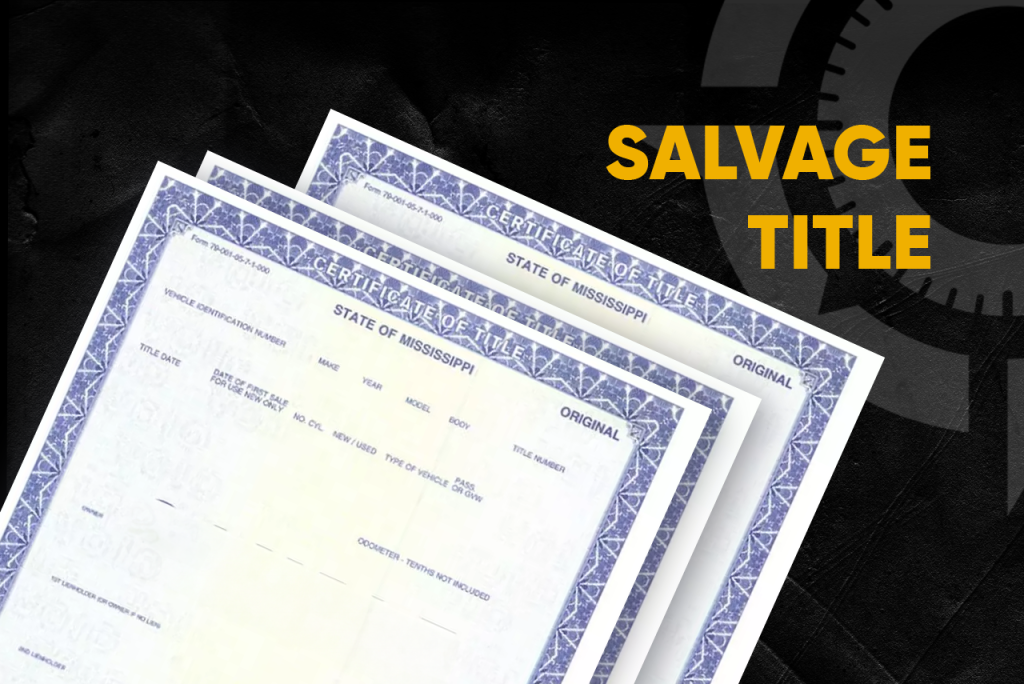
According to statistics, salvage title is assigned to 75-80% of cars at American car auctions. It usually means that the car has been in an accident or was damaged as a result of a natural disaster, and its repair exceeds half the market value of the car. In some US states the cost of repairs can reach 75%, Forbes notes.
A typical story for a car with a salvage title is this - after an accident or other insured event, the insurance company assesses the damage to the car. If they believe the repairs will cost half the cost of the vehicle or more precisely over half, they decide that it is not worth it and pay out the cost of the undamaged car to its owner. After this, the car usually ends up at a car auction.
A salvage title can be marked “rebuilt" meaning that the vehicle has been repaired and is eligible for registration and licensing (in the United States) after passing inspection.
In addition, some states issue a certificate like that in cases where the car was stolen by criminals and then recovered by the police. But, since the insurance company has already worked out the damage, it sells the salvage car.
Three steps to successfully buying a salvage car
In order to buy a car with a salvage title, Forbes advises following three steps:
1. Do complete diagnostics of the car.
Before purchasing a salvage title vehicle, have a trusted mechanic inspect it - don't just rely on the owner's word about the vehicle's condition. Thanks to this, you will know exactly what repairs are needed and how much they will cost.
2. Check the car's history.
Double check the details of the ownership rights on the car. To do this, it’s best to go to the US National Information System NMVTIS (or other reputable online service) and get a report on the history of the car. Ask the seller for receipts and repair costs (if they have already been completed), or contact the workshop that carried out the work to clarify the details you are interested in.
3. Check the date of the salvage title.
A car that received salvage status years ago but has been used without issues since then is a better purchase option than a car that has recently been in an accident.
Is it worth buying a salvage car?
Buying a salvage car can make sense, but keep in mind that you'll have to take a deep dive into the car's history to assess whether it's worth the price, Forbes notes.
Let's say you're interested in a car with a clean history, two previous owners, accident-free, and complete maintenance records. After the second sale, it was slightly damaged by hail on the dealer lot, as a result of which it was declared a total loss, despite the fact that the engine and the interior were undamaged. If a few dents don't bother you, you may have found a great money-saving option.
Or, say, the car was reported stolen, but was recovered by the police. The state will most likely issue a certificate for the disposal of the vehicle and since it was practically undamaged, it would make for a suitable purchase.
There are many similar options, but you will have to work hard to find them without outside help.
Pros and cons of buying a salvage title car.
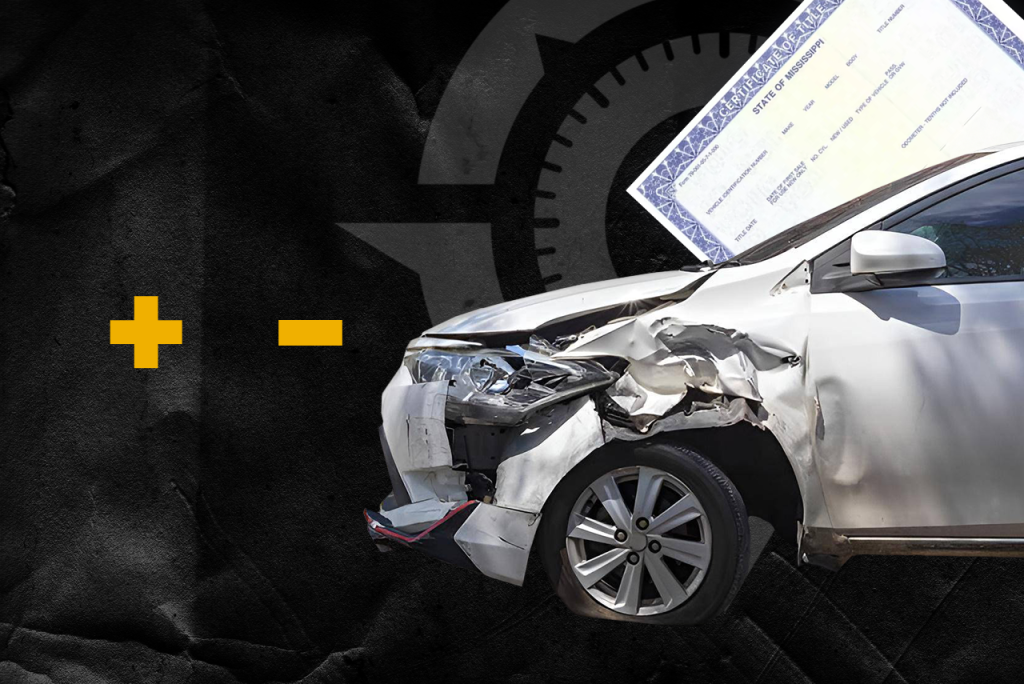
If you're thinking about buying a car with a salvage title, there are some pros and cons to consider, notes the Forbes article.
Pros
1. Significant savings.
As a rule, you can buy a salvage car 20-40% cheaper than a car with a “clean bill of health”.
2. It is possible to find a car with minor damage.
A salvage title doesn't always mean the car was totaled. You can get a stolen or restored car before it is dismantled for parts for pennies. Even if a car needs minor repairs, fixing it would be much cheaper than buying another car.
3. Spare parts.
If you're restoring a vehicle that requires expensive, hard-to-find parts, purchasing a salvage vehicle with the parts you need would make a lot of sense.
Cons
1. The car may have more serious damage than it seems at first glance.
Just by looking at the car, it is difficult to assess the damage it has sustained. This means that repairs may cost more than you expected. In the United States, there are frequent reports of lawsuits due to the fact that auto repair shops deliberately downplayed the extent of damage to the car.
2. Risk of fraud.
Sellers are not always honest about the damage that led to the relinquishing the title. If you buy a car that needs major repairs, you have little chance of saving it or it will cost you as much as a decent undamaged car. That's why the choice you make when buying a salvage is so crucial.
A couple of conclusions from Forbes:
-
Buying a salvage car can save you money, although it carries obvious risks. To be confident in your purchase, do your due diligence and find out why the car has a salvage title and what repairs are required for its safe operation.
-
Be sure to contact experts who have experience with car auctions and know how to analyze car history data. This will help you avoid costly mistakes.
! Keep in mind that Columbus professionals have been successfully advising car enthusiasts looking to purchase cars at auto auctions in the US and Canada for over 10 years. Thanks to collaborations with its American partners, Columbus helps to diagnose cars (with photo recording) at the point of sale, check the car history through specialized US online services (Carfax, AutoCheck and others of your choice), as well as carry out turnkey car repairs. The company selects cars at foreign auctions, taking into account all customer wishes and requirements.


Help in the service