
Iseecars: 7 Reasons to Buy a Used Car Instead of New

Buying a used car is a great way to save money and still get the car you've been dreaming of for a long time. It seems simple enough. But this is where the experts of the American search engine Iseecars.com stand out – they are not fans of unfounded statements. One of their latest studies was a comprehensive comparison of cars with varying years of production.
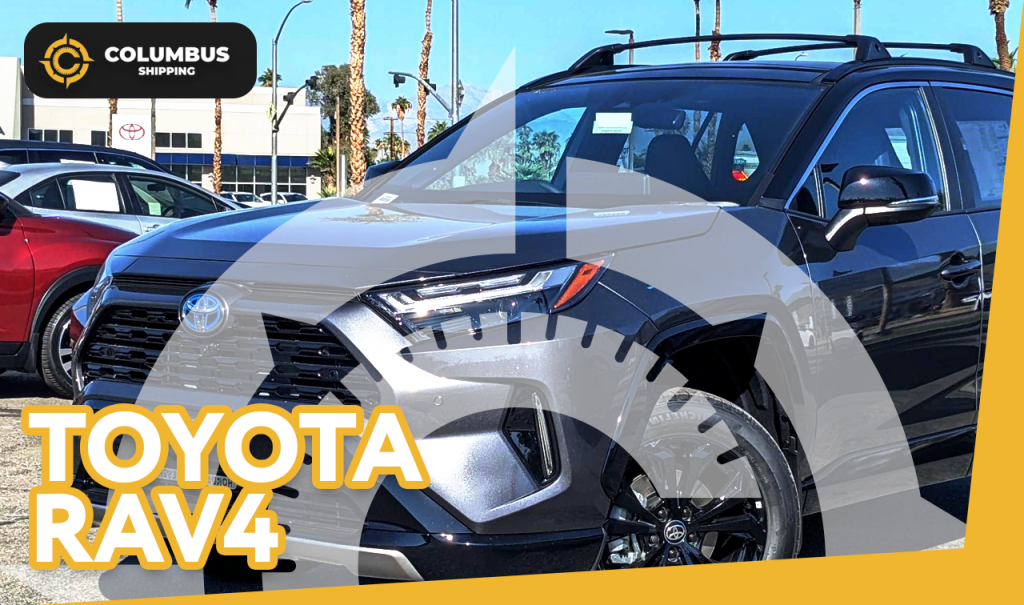
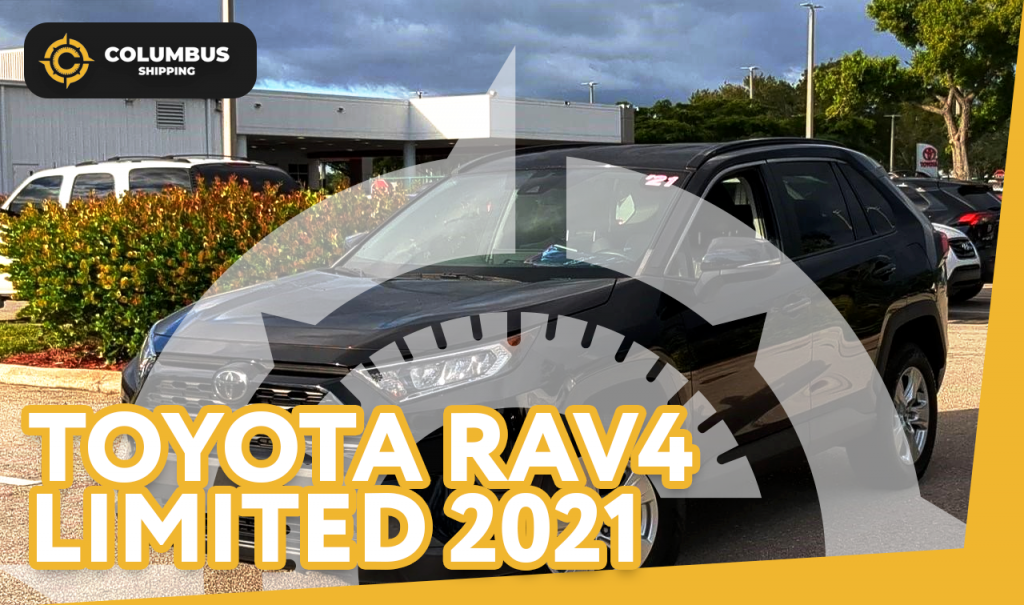
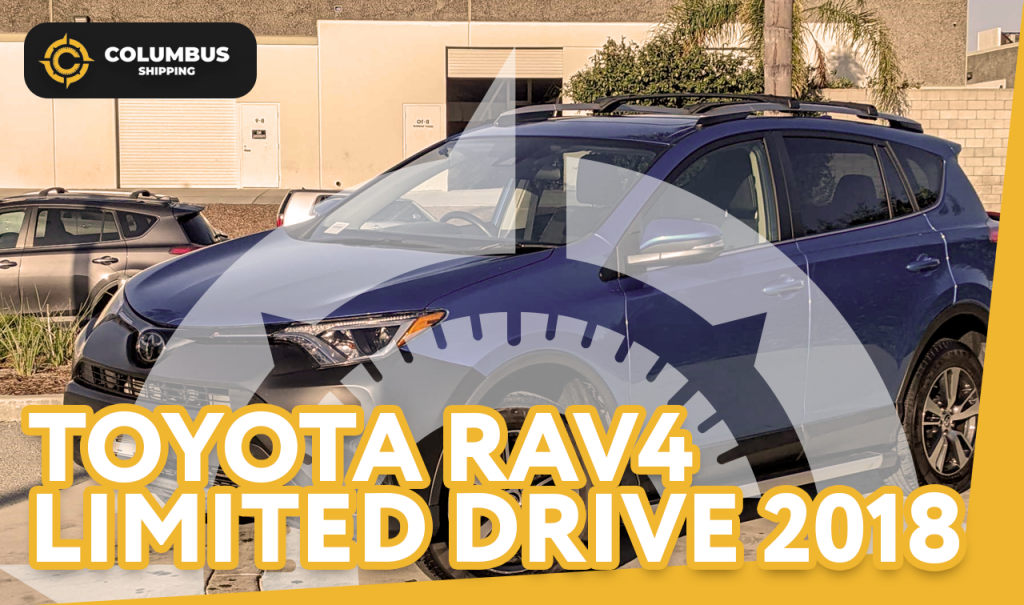
To make sure their conclusions are relevant, Iseecars paired and took a look at the new 2021 Toyota RAV4 Limited Front-Wheel Drive and the four-year-old 2018 Toyota RAV4 Limited FWD. By comparing the cost figures for purchasing and operating these cars, they identified 7 reasons why buying a used car instead of a new one is a smart decision.
1. Low Price
As soon as a new car rolls off the assembly line, its value drops by 20%. The price of most cars three to four years after purchase ranges between 60 and 70% of their original cost. Or at least so it was before.
Due to the recent pandemic and the current shortage of microchips limiting the supply of new cars, used car prices have soared. But even with that in mind, buying a used car can save you a decent amount of money.
For example, a four-year-old RAV4 costs $29,114 in the US (compared to $38,347 for the new version). Here are some actual savings of $9,233, or about 24%. The benefit can be even greater if you purchase a damaged car at an online auction with intent to save on its repairs by doing them in a country where it is cheaper than in the United States.
To get an idea of how much you typically pay for a new car compared to a used model in today's market, here are the current average prices for latest models in 2021-2023.
-
Average new car price: $41,748
-
Average price of a one-year-old car: $39,615.
-
Average price of a two-year-old car: $35,000
-
Average price of a three- to four-year-old car: $31,166
We usually see a wider range of prices in this breakdown but the global shortage of microchips and the limited supply of new cars are taking their toll.
However, in the summer of 2022 and then of 2023, there was a trend towards lower prices for certain classes of cars.
According to CarGurus.com, Wagoneer, Jeep's luxury sub-brand, is the fastest depreciating model. In September, their value fell by about 2%. Experts blame it on the young age of the brand - Wagoneer SUVs have only been produced starting 2021. However, cars of more famous brands are also getting cheaper.
Among them is quite common in the US Scion - a sub-brand of Toyota. The manufacturing of these cars was discontinued in 2016 with more and more used Scions appearing on the secondary market. Their value has dropped by 1.9% over the past month, second only to Wagoneer and tripling the average decrease across the market.
Experts suggest that this fall, prices will continue to fall by 1-2% every week.
Ophir Gottlieb, CEO of Capital Market Laboratories, believes that a crumbling of used market prices is imminent and that sellers are already preparing for it.
2. Benefits of Depreciation
As mentioned above, a new car usually loses up to half of its value within the first 3-4 years after the sale. After that, its value falls more slowly.
The Iseecars study found that the depreciation of the 2021 RAV4 and 2018 RAV4 was almost the same in the first year after purchase, with the new model losing $4,053 and the older model losing $4,002. Let's call it a draw just because of today's market conditions; typically a new car loses more than double in the first 12 months of purchase compared to a 3-4 year old model.
3. Saving on Official Service
The Iseecars study found service costs in the US to be $68 in the first year after purchasing a 2021 RAV4 and $417 in the first year after purchasing a 2018 RAV4. The figures are relevant for cars that are serviced at a Toyota dealer, that is, at the highest possible price.
Of course, when you buy a 3-4 year old Toyota RAV4, the bumper-to-bumper warranty coverage is no longer valid as it only lasts 3 years or 36,000 miles. Since there is no warranty, there are no official maintenance costs, and therefore, you can forget about this significant expense item.
Just make sure you follow the manufacturer's recommended maintenance schedule for your car and get receipts for all the work done - they'll come in handy when you want to resell the car or make a claim under a five-year engine or transmission warranty.
4. Better Model Choice
Iseecars advises avoiding dealerships when buying a used car, as there are places where you can buy a car for much less, even if not certified. For example, you can browse sites with online offers such as iSeeCars.com or Craigslist, visit auctions like Copart, Manheim, eBay and the like. Using them is more convenient and faster – just a couple of clicks and you are done. And the choice is much more impressive than that of a dealership.
Buying a new car from a dealer or dealership automatically means you have to deal with the salesperson or “their manager" ("I don't know if we can get you that price. Let me check with my manager") and the finance and insurance department who will want to pitch you an extended warranty or tinted windows or an antenna maintenance plan - just kidding. That discussion might drag for at least 4-6 hours.
5. Used but Reliable
Used cars can be just as reliable as new ones. Buying a new car can may even be more of a hassle. Assembly errors, breaking-in the car, compliance with warranty service schedules – you can not take your eyes off the new car even for a second. Meanwhile, used cars have already gone through their "child illnesses". In addition, like new cars, they have all the necessary safety features.
The quality of all vehicles from leading car brands has increased dramatically in recent years; most used cars made after 2015 offer an impressive combination of reliability, comfort and advanced technology. When you buy a car like a 2018 Toyota RAV4 with 13,500 miles on it, you can be sure your ownership experience will likely be as hassle-free as if you bought a new 2021 model.
6. Less Stress
Feeling like you own a new car is great! Until you see and hear the first rock bounce off your hood or windshield. In general, watching a new car turn into a used car is not fun at all. Each time your drive over a pothole, each new scratch on the bumper painfully resonated with the car owner.
Buying a used car with one or more obvious signs of wear reduces stress levels. And if you gradually improve your used car’s condition, it can even bring joy.
7. Tax savings
When you buy a used car from an auction in the US with the intention of shipping it to another country, you pay only the auction fee plus the cost of shipping, and you don't have to pay regular US taxes.
For example, if you bought a Toyota RAV4 in Southern California and then registered it in the US, you would have to pay $2,972 for a new model and $2,256 for a used one - just $716 less. Add to that the registration/use of vehicle fee that you have to pay in the US every year and be happy you don’t have to.
Take Notes
Before buying a used car in the US, you should get a mechanic to inspect it before purchasing it. This will help find hidden issues that you might have missed - simply due to lack of necessary experience. You can order this service from Columbus, whose experts have been helping their customers to buy cars in North America for many years. They will check your car’s VIN number and help you order a vehicle history report from CARFAX or Autocheck. This will provide important information that will allows you to see if the car was involved in an accident, whether it was regularly serviced, or whether it was listed as stolen. In other words, they allow you to make sure that your purchase is safe.


Help in the service